
How DOGE and XRP’s U.S. ETF Wave Can Accelerate Crypto Slot Adoption
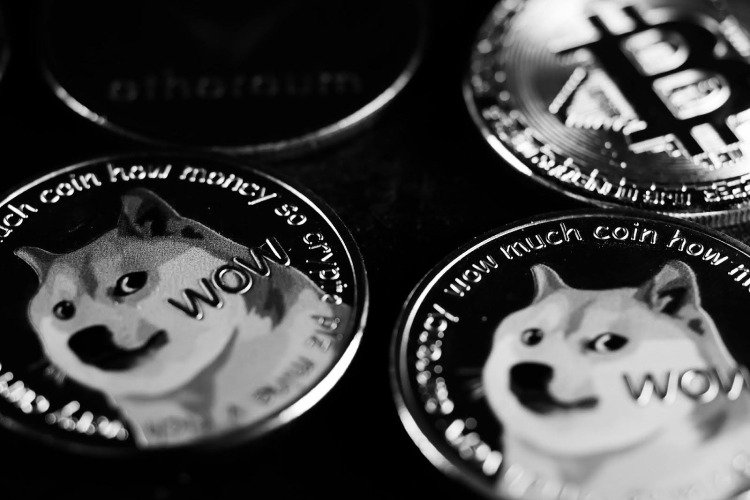
Seeing DOGE and XRP tickers inside a brokerage app or on business TV changes how casual participants think about crypto, because it moves these assets from niche forums to places where everyday investing happens.
That shift just got a tailwind, the SEC approved generic listing standards that streamline how exchanges list spot commodity ETPs, which includes digital assets, and within a day Cboe listed the REX‑Osprey DOGE and XRP products under DOJE and XRPR.
For anyone curious about crypto entertainment and the great variety of crypto slots games, that familiarity can translate into trying a small crypto slots promo that pays out in a ticker now seen in a regulated wrapper, especially when the underlying rails are designed for low fees and quick confirmation.
This article draws only on regulator releases, the Federal Reserve’s household survey, Pew’s nationally representative polling, the American Gaming Association’s state‑sourced revenue data, and established outlets like CNBC and Reuters, so every claim can be traced and trusted.
Tickers at the tap
The SEC’s September 17 decision approved generic listing standards for commodity‑based ETPs, giving exchanges a rules‑based route to list spot crypto funds without case‑by‑case 19(b) approvals, which had previously slowed new products for months. Reuters and CNBC framed the vote as paving the way for dozens of spot crypto ETFs, which matters because more mainstream exposure to recognizable tickers tends to build comfort among non‑specialist audiences.
The practical impact showed up immediately, Cboe’s official notice confirmed the REX‑Osprey DOGE and XRP funds began trading September 18 under DOJE and XRPR, a clear signal to retail that these assets now sit inside familiar brokerage workflows. Issuer communications corroborated the launch sequence and product focus, positioning these funds as regulated ways to access XRP and DOGE exposure through traditional accounts.
Early trading interest surprised analysts, Yahoo Finance reported XRPR hit roughly $24 million in its first hours and DOJE cleared $6 million in the first hour, a “shockingly solid” start compared with typical ETF debuts that often trade under $1 million on day one. When non‑crypto outlets carry those numbers, it reframes DOGE and XRP as tickers next to equities and bonds, which sets up a friendlier on‑ramp to small, low‑stakes crypto payments use cases like slots that highlight the same tickers in promos and withdrawals.
From volatility to velocity
For casual entertainment, what wins people over is reliability, not a price chart, and the XRP Ledger’s minimum transaction cost of 10 drops, or 0.00001 XRP, with fees that adjust under load via validator voting, was built to keep small transfers cheap and predictable across conditions.
The Federal Reserve’s 2024 Survey of Household Economics and Decisionmaking shows crypto payments use is still niche, 2 percent among banked adults and 5 percent among unbanked adults in the prior year, which underscores that trust mechanics and friction reduction matter more than technical novelty. Pew’s national survey indicates 17 percent of U.S. adults have ever invested in, traded, or used crypto, a stable base since 2021, but confidence remains mixed, so the combination of regulated ETFs for brand familiarity and visibly fast, low‑cost rails for payouts creates a more convincing first experience.
That is the opportunity at hand, shift the conversation from speculation to service level, spotlight the ticker people recognize from a regulated fund, then back it with immediate, low‑fee transactions that feel as dependable as a debit refund.
-
Offer flat‑value micro‑promos in XRPR or DOJE and guarantee instant, on‑chain withdrawals for any small win, so the first touchpoint is speed and clarity rather than market noise.
-
Show the precise network fee in dollars at checkout (converted from drops for XRP or similar units for other rails) to manage expectations and eliminate confusion in advance.
-
Offer one “verify your payout” link that shows the transaction hash and settlement status, while riding the legitimacy halo established by the ETFs that share the same ticker.
-
Have simple one‑screen disclosures that distinguish promotional value from being exposed to the token’s price, in language that is very plain, consistent with the Fed’s observation that simple, clear guidance will move the hesitant to action.
Design for where demand is
The U.S. commercial gaming market generated a record 71.92 billion dollars in 2024, according to the American Gaming Association’s tracker built from state regulator reports, which sets the stage for payments improvements to move real numbers rather than hypotheticals.
Within that total, online casino revenue reached 8.41 billion dollars across seven legal iGaming states, up 28.7 percent year over year, a signal that digital channels are already scaling where permitted and will respond to better onboarding and cash‑out experiences. That matters for crypto slots for a simple reason, iGaming is a digital purchase flow, so seconds to cash out and near‑zero network fees can translate directly into higher satisfaction and repeat usage when the amounts are small and the experience is seamless.
The uptick in ETF visibility also expands the pool of familiar tickers that operators can feature in promotions, which reduces cognitive load for a first‑time player, the same asset symbol from a brokerage screen shows up in a quick withdrawal confirmation. Put differently, the pipeline from ETF to slot is not about speculation, it is about recognition paired with utility, a ticker the reader already trusts enough to buy in a regulated product, connected to a payout that arrives with clear cost and a public receipt. If that first experience is predictable and transparent, the leap from watching the ticker to trying a spin becomes much smaller, especially in markets where online casino is legal and growing.
Curiosity into confidence
ETF visibility reduces psychological distance, a rules‑based listing framework from the SEC gives exchanges a faster path to add more recognizable tickers, and low‑fee rails like the XRP Ledger provide the operational reliability that casual players need to trust a first crypto slots session.
The iGaming base is already large and expanding in legal states, which means operators that pair familiar tickers with instant, verifiable cash‑outs and plain‑English disclosures can convert interest into action without leaning on speculative narratives.
As exchanges apply the generic standards and more products enter brokerage feeds, the most persuasive play is simple, show the ticker people recognize, make deposits and withdrawals cheap and immediate, and let a clean first payout do the onboarding for you. If a three‑click win can land in a wallet with a visible hash and a fee that rounds to cents, what better way is there to turn curiosity into confidence?