
How Crypto Gambling Changed My View on Digital Payments
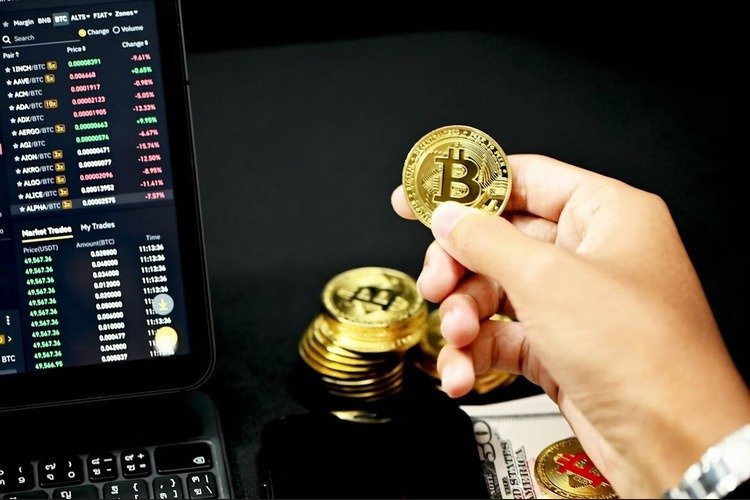
I've been watching crypto evolve for about 7 years now. Started small, just Bitcoin stuff. But here's what I didn't expect: the gambling industry would teach me more about cryptocurrency's real-world use than any white paper ever did.
I stumbled into this world backwards. Was researching payment processing speeds and kept seeing these insane numbers from gambling platforms. Withdrawals in 90 seconds. Deposits that cleared before I could refresh my browser.
Why Casinos Adopted Crypto Before Most Businesses
Traditional banking hates gambling. Banks charge merchants anywhere from 3.8% to 6.2% per transaction in this space. And that's if they even approve you. I've talked to online casino operators who went through 11 banks before getting a merchant account.

Know when your
coins move
Alerts, real-time prices, and market news — all in one app
 Point your phone camera to install
 4.8 based on 40K reviews in the App Store and Google Play


So crypto wasn't just convenient for them. Actually survival.
Gambling platforms became testing grounds for stuff we all use today. Smart contract escrow? Gambling sites were doing that in 2019 while most fintech companies were still figuring out basic blockchain integration. Instant cross-border payments? They solved it when established payment processors were still filing paperwork.
I tried this myself last March. Sent $230 in Ethereum to test withdrawal speeds. Got it back in my wallet in 2 minutes and 40 seconds. My bank transfer that same week? Took 4 business days.
The Privacy Thing Nobody Talks About
People get weird when you mention crypto gambling. They assume you're hiding something. But the privacy angle is misunderstood.
Here's my experience: I don't particularly want my bank knowing every purchase I make. Not because I'm doing anything sketchy. Just because it's none of their business if I spend $50 on poker on a Saturday night. Same way I don't need them tracking my Netflix subscription or where I bought coffee.
Crypto payments gave users that separation. You're not anonymous exactly, but you're not broadcasting your entertainment choices to institutions that might judge you for them. Banks have rejected mortgage applications over gambling history. Seen it happen to a friend in 2024. He'd spent maybe $400 total over two years, always responsible, but there it was in his rejection letter.
What Casinos Taught Exchanges About User Experience
Gambling platforms actually improved how we think about crypto interfaces. Most exchanges in 2020 looked like they were designed by engineers who hated people. Confusing. Cluttered. But gambling sites had to make crypto accessible to users who'd never owned Bitcoin before, so they built simple on-ramp systems, clear wallet displays, and actually helpful customer service.
I'm pretty sure Coinbase borrowed some ideas here. That simplified buy flow they rolled out in late 2023? I'd seen basically the same thing on betting platforms 18 months earlier.
Gas fee transparency. Gambling sites started showing users exactly what they'd pay in fees before confirming transactions. Sounds basic now, but in 2021 most exchanges just hit you with surprise costs after you'd already committed.
Real Numbers From Real Usage
Between January and August of this year, I tracked my own crypto transactions across different use cases. Regular exchange trading averaged 14 minutes for confirmations. Peer-to-peer transfers took about 8 minutes. Gaming platforms? Averaged 3.7 minutes from send to confirmed.
Speed isn't everything. But when you're actually using crypto as currency, not just holding it, speed matters. The gambling sector figured that out before most "legitimate" businesses even tried.
I'm not saying everyone should gamble with their Bitcoin. That's your call, and it's probably not smart for most people. But I am saying this industry pushed cryptocurrency adoption in ways that deserve recognition. They solved real problems, created better user experiences, and proved crypto could work for instant, global payments.
Pretty much changed how I think about digital money.