
Hedging Strategies for Private Investors: Protecting Your Portfolio During High Volatility
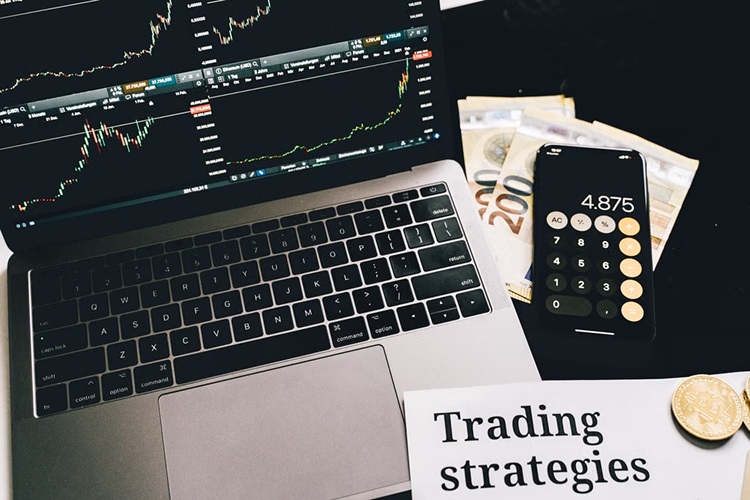
Market conditions can change within minutes of the release of US labour market data or an unexpected central bank interest rate decision. These moments offer opportunities and risks to the portfolios of private investors.
While some market participants rely solely on stop orders, others use short-term instruments, such as binary trading*, to quickly offset fluctuations in their primary positions. However, investors must carefully assess these products’ accessibility and risks. Thus, it is important to understand the basic protection measures.
Why News Events Pose Risks to Open Positions
Releases like Non-Farm Payrolls or interest rate meetings create sharp spikes in volatility. Prices can move up or down in seconds, spreads can widen, and orders can fill with slippage.

Know when your
coins move
Alerts, real-time prices, and market news — all in one app
 Point your phone camera to install
 4.8 based on 40K reviews in the App Store and Google Play


A stop order can close even a well-reasoned position before the market has made up its mind. Consequently, implement capital protection strategies in advance, rather than at the moment the data is released. Anyone maintaining open positions should be aware of and utilise this approach.
Basic Techniques for Position Protection
Hedging does not eliminate risk; it merely redistributes it. The classic approach involves opening a position, often in a correlated asset, that partially offsets potential losses on the primary position. Before a major news event, traders typically take the following steps:
-
determine position size in advance;
-
set stop orders before data release;
-
reduce leverage before the news;
-
use partial position closing;
-
diversify the portfolio across asset classes;
-
avoid opening new trades at the moment of release.
Yes, certainly, these factors do not guarantee a specific outcome. However, they help you act according to a plan rather than emotion. Remember that hedging also comes at a cost: commissions and spreads for both positions add up. Therefore, the scale of the protection should match the scale of the risk.
Short-Term Hedging: Opportunities and Limitations
Short-term hedging may involve taking an offsetting position in a correlated instrument to reduce exposure to temporary market fluctuations.
Short-term hedging instruments can involve substantial risk and should not be treated as a form of insurance. Their availability and applicable trading conditions may also vary by jurisdiction and client eligibility. Investors should verify whether a particular instrument is available in their country of residence and whether they meet the applicable eligibility requirements.
The Regulatory Environment as Part of Risk Management
Hedging often requires a correlated instrument, so broad market access is critical. Dukascopy Bank SA provides access to more than 25,000 trading instruments. The Swiss bank is regulated by FINMA, and the availability of specific products may depend on the client’s country of residence and eligibility. While it offers more choices for selecting an offsetting position, it doesn’t eliminate the need to weigh leverage and the risks of each trade.
Different trading instruments involve different structures and risk profiles, so it is important to understand how each product works before opening a position. Traders should review the applicable terms, fees, and risk disclosures and consider how leverage, where used, may affect potential gains and losses. Volatility around major news events cannot be eliminated, but exposure can be managed through position sizing, predefined limits, and disciplined risk management.
Hedging can help manage specific market risks, but it does not guarantee a particular outcome. Use it with the applicable regulatory requirements, trading costs, and the investor’s individual risk tolerance in mind.
Disclaimer:
Binary options are complex and risky financial instruments.
You should make sure you understand how binary options work and consider whether you can afford the risk of losing your money.