
What is a no KYC Crypto Casino? A Friendly Guide for Privacy-Minded Players

This information was prepared by the Daler Crypto Casino team. Daler is KYC friendly.
A no KYC crypto casino is an online casino that lets adults sign up and play with cryptocurrency without uploading identity documents first. Players usually register with an email address or by connecting a crypto wallet. Some sites can still ask for verification in specific cases, such as very large withdrawals or security concerns. The main appeal is privacy and less personal data stored online.
You've probably seen "no KYC" on a crypto gaming site and wondered what you'd be signing up for. The short answer is that it's about how much of yourself you hand over before you play. Knowing how it works and where its limits are helps you choose with your eyes open.

Know when your
coins move
Alerts, real-time prices, and market news — all in one app
 Point your phone camera to install
 4.8 based on 40K reviews in the App Store and Google Play


What "KYC" stands for
KYC is short for "know your customer." It's the set of identity checks many financial and gaming platforms run before they let you deposit or withdraw money.
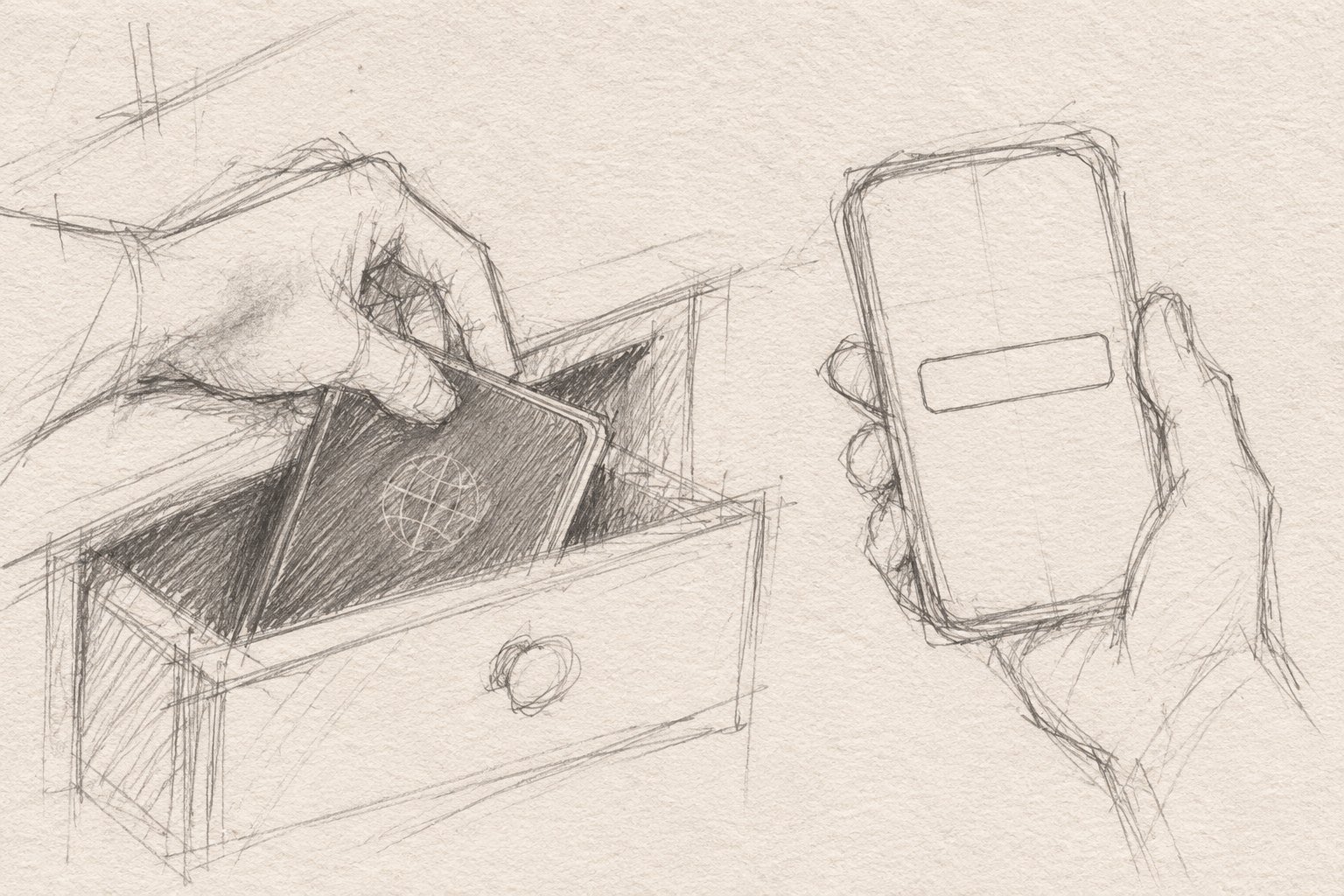
In practice, KYC usually means uploading a photo of a government ID, such as a passport or driver's license. Many platforms also ask for a selfie to match your face to the document, plus proof of address like a recent utility bill. Some run these checks at sign-up, while others wait until your first withdrawal.
The checks exist for real reasons, including fraud prevention and rules against money laundering. They also mean a company now holds copies of some of your most sensitive documents, often for years.
What changes when a casino skips it
A no KYC crypto casino lets you create an account without handing over those documents. You typically sign up with an email address, or simply connect a crypto wallet, and you can deposit and play within minutes.
Because deposits and withdrawals happen in cryptocurrency, there's no bank card or account in your name tied to the site. The platform knows your email, your wallet addresses, and what you do on its pages. It doesn't hold a scan of your passport.
That doesn't mean there are no rules. Many sites still reserve the right to ask for verification in specific situations, such as an unusually large withdrawal or a security flag on an account. The terms should tell you exactly where that line sits.
Why privacy-minded adults like it
For many people, the appeal is simple. Every company that stores your ID is one more place your identity can leak from, and you have little say in how well that data is protected. Others just prefer to keep their entertainment separate from their financial identity. Privacy is a right, not a confession that you're hiding something. The Electronic Frontier Foundation's privacy work makes the case that privacy supports personal autonomy and anonymous expression, and those values don't switch off when you open a game.
There's convenience, too. Skipping document uploads means no waiting days for a manual review before you can play.
The honest trade-offs
Privacy has a price, and it's worth naming plainly. Crypto transactions can't be reversed, so a mistaken payment or a lost wallet key is usually permanent. There's no chargeback button like the one your credit card offers.
Consumer protections can also be thinner. Depending on where a site is licensed, you may have fewer formal routes to complain if something goes wrong. Crypto prices move as well, so the value of a balance can rise or fall while it sits in an account.
And no KYC doesn't make you invisible. Bitcoin and most other cryptocurrencies record every transaction on a public ledger that anyone can inspect.

What to check before you play
Start with the terms. Look for clear language on when verification can be requested, what the withdrawal limits are, and how long payouts take. Vague or missing rules are a warning sign.
Check for visible license information and a support team that answers questions. Try a small deposit first and test a withdrawal before you commit more. Keep your wallet's recovery phrase private, always, and never share it with anyone claiming to be support.
Rules on online gambling and crypto vary from place to place, so check what applies where you live. Play only if you're 18 or older (or the higher legal age where you are), set a budget before you start, and treat every session as entertainment, not income. A simple habit covers most of this. Read the withdrawal and verification rules before you deposit, not after you win.
Frequently asked questions
Can I still be asked for ID at a no KYC casino?
Yes, in some cases. Many sites keep the right to request verification for large withdrawals, suspected fraud, or security issues. The terms should say when.
Is my play fully anonymous?
Not entirely. The site still sees your email, wallet addresses, and activity, and blockchain transactions are public. No KYC means less personal data, not zero data.
Is no KYC allowed everywhere?
No. Laws differ between countries and regions, and some places restrict online gambling altogether. Check the rules where you live before you sign up.