
BTCC Guide on Buying Bitcoin with a Credit Card
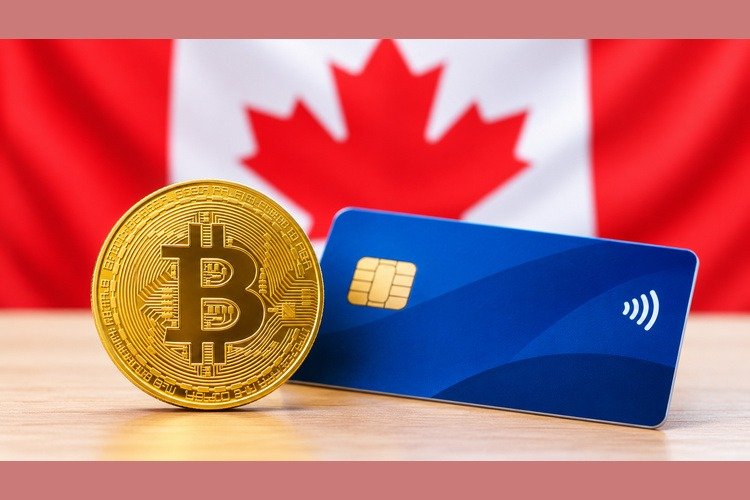
If you are a Canadian and considering buying Bitcoin with your credit card/debit card, the BTCC Guide on Buying Bitcoin with a Credit Card will be useful for you. Avoiding fraud, understanding the transaction costs you will need to get into a trade, and understanding how you are going to pay for your purchase will make the process of buying Bitcoin much easier.
Bitcoin is now a significant cryptocurrency, drawing in people who are fascinated with the application of electronic currencies and blockchain technology. At present, there are a lot of approaches to acquiring Bitcoin with debit cards.
Why Buy Bitcoin with a Credit Card?
You'll be able to buy Bitcoin with a credit card. It will be easier to buy Bitcoin with a credit card. Users who qualify for this option will be able to make their purchase directly from a supported crypto exchange platform, rather than having to set up a direct deposit with their bank.

Know when your
coins move
Alerts, real-time prices, and market news — all in one app
 Point your phone camera to install
 4.8 based on 40K reviews in the App Store and Google Play


One of the big ones is ease of use. For many of those using online card payments, this process should be relatively easy to understand. Moreover, depending on the platform, you can typically expect to transact rapidly, and with the payment processing firm, you likewise can expect to transact rapidly.
There may be cheaper ways for people to pay for goods and services than with a credit card, though. A processing fee is likely to be charged by many merchants for consumers who use a credit card. Moreover, certain banks restrict the activity of using cryptocurrencies. So make sure to enquire about their restrictions first to avoid incurring extra charges before you begin any transactions with your provider.
How to Buy Bitcoin with a Credit Card in Canada
Typically, shopping is carried out in the following steps:
1. Choose a Cryptocurrency Platform
Look for a cryptocurrency exchange that accommodates Canadians. Learn the types of payment accepted, their transaction fees, the security of their service, and whether you are able to utilise their services in your province/territory.
2. Create and Verify Your Account
Sign up with the necessary details provided. Many of the most popular cryptocurrency exchanges demand customer authentication and other counter-money laundering (AML) measures in line with customer identification and AML rules.
3. Add Your Credit Card
If you have one, inquire whether they can enable you to buy cryptocurrencies. You can use credit card payment if you have this option; please enter the credit card details as outlined here:
4. Select Bitcoin
Choose Bitcoin (BTC) in the list below, then type the amount of Bitcoin that you would like to buy. You don't have to purchase an entire Bitcoin; it is okay if you buy some number of Satoshis, which represent the small units of Bitcoin.
5. Review and Confirm
Check the exchange rate, processing fee, and the total number of bitcoins you'll get before you buy the product. Once you have read through all the information, confirm the transaction.
Credit Card vs. Debit Card: Which Is Better?
Both methods allow you to easily purchase cryptocurrencies; however, each has different characteristics.
While a debit card draws on money in your checking account, a credit card uses a portion of your available credit line to make purchases, which you have to pay back at a later date.
People who like to spend money that they already have might be better off with debit cards. On the other hand, credit cards offer you alternatives with regard to spending on items. A few credit card issuers, though, see cryptocurrency trading as a "cash advance," and impose additional charges and/or interest on these deals.
The most appropriate one will rely on your individual monetary state, the credit card company's policy regarding credit card transactions on the websites, and the payment methods allowed at the web page/platform you're looking to buy from.
Fees and Risks to Consider
When buying Bitcoin, you should take a few things into account:
- Transaction Fees: Purchases made using a credit card may have transaction charges applied by the exchanges and payment processors. Always review the order before placing it.
- As with most currencies, the exchange rate of Bitcoin is constantly changing. As such, you cannot predict the exact rate but may see one at the time of placing the order and then get the other upon execution.
- Credit card firms: If the bank provides a credit card to purchase cryptocurrencies, you may have to pay more. They may think it is a cash advance, and you will need to pay interest right away.
- Price Fluctuations: There is a high degree of volatility in the Bitcoin price. You may not get a single penny back and can end up losing the entire investment.
How to Keep Your Bitcoin Purchase Secure
Safety should always be the foremost priority when it comes to cryptocurrency transactions. Before signing up to a new service, verify the credibility of its reviews as well as what kind of protection they have.
Enable 2FA, set a good password, and never click on suspicious links/websites. Never share your account private information, private keys or wallet recovery phrase.
When having plans to hold onto your Bitcoin long-term, then you should consider transferring your Bitcoin to your own private wallet. Once you're ready to go, you can buy a hardware wallet that stores the Bitcoin offline, or install a software wallet that can serve as a key to log on to your Bitcoin via computer, tablet, smartphone, and so on.
Understanding BTCC and Bitcoin Trading
There are numerous differences between buying and trading cryptocurrency derivatives. Spot trading will enable you to get hold of actual BTC to retain or move that may be withdrawn, if the exchange has support for withdrawals.
Futures Trading is trading with contracts based on the worth of the asset, but you don't hold the underlying cryptocurrency.
BTCC offers the trading of derivative products which are based on cryptocurrencies. There are several derivative products launched by BTCC, such as Bitcoin Futures, Copy Trading, and Demo Trading. The futures trading platform, BTCC, provides trading on futures that can be leveraged by up to 250 times. In some cases, depending on the futures contract, availability and other conditions and/or limitations apply.
Final Thoughts
If someone wishes to purchase Bitcoin using a credit card, it could be handy should the cryptocurrency platform they utilise enable it, plus they have a credit card with them to assist them with the process. The users need to know what expenses they will have to bear when buying with the card and what other costs might be imposed by the card provider, such as charges and the interest rate, which will be applicable to them. They need to be aware of the overall sales price, any qualifiers imposed by the currency payment provider, and should take measures to minimise potential fraudulent transactions (e.g., 2 factor authentication); and must be ready to deal with cryptocurrency price volatility. These activities should facilitate users to responsibly purchase bitcoins with their credit cards.