
How Stablecoins Are Changing Payments on Online Casino Platforms
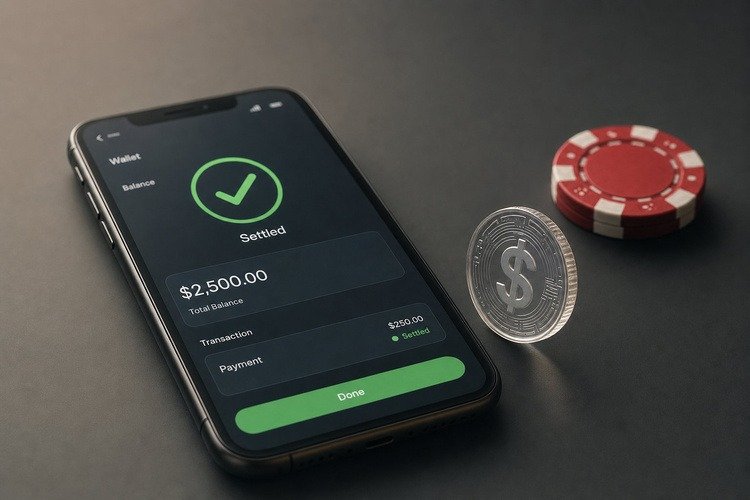
Stablecoins are increasingly used for online casino payments due to their fast settlements and price stability. Both players and operators are turning toward blockchain-based options for enhanced transaction efficiency and lower risks. This article looks at the impact, benefits, and considerations of stablecoin use in the modern online casino sector.
Payment methods are critical to the user experience on gaming platforms, where delays and high costs can deter players. Traditional card or e-wallet systems often involve payment declines, slow processing or additional fees, especially for cross-border users. As preferences evolve, best online casinos UK continually review their payment systems, with many now adopting stablecoins for more efficient solutions. Stablecoins help limit withdrawal delays and provide consistent transaction values, making them attractive for both players and casino operators.
Stablecoins address common payment issues in gaming
Online casinos frequently encounter declined transactions and unpredictable fees, which can frustrate users seeking reliable fund access. Stablecoins directly address these issues by enabling digital payments that are pegged to stable fiat currencies, like the U.S. dollar or euro. Their design reduces the friction and uncertainty common to international transactions.

Know when your
coins move
Alerts, real-time prices, and market news — all in one app
 4.8 based on 40K reviews in the App Store and Google Play


These blockchain-based payments let users transfer value worldwide with minimal delay, bypassing many traditional banking challenges. For platforms and their customers, this results in a smoother, more predictable payment experience, increasing overall satisfaction with the gaming process.
Another key advantage of stablecoins in gaming payments is their ability to operate 24/7 without the constraints of traditional banking hours. Unlike bank transfers that may be delayed over weekends or holidays, stablecoin transactions process continuously, allowing players to deposit or withdraw funds at any time. This round-the-clock availability is particularly valuable for international players across different time zones who want immediate access to their gaming accounts. The elimination of banking intermediaries also means fewer points of failure in the payment chain, reducing the likelihood of technical issues or processing errors that can interrupt gameplay.
Comparing stablecoins with volatile cryptocurrencies
Stablecoins differ from cryptocurrencies such as Bitcoin by maintaining a fixed value through fiat reserves or algorithms. This stability means users are less likely to face price swings when they make deposits or withdrawals on gaming platforms, which is a significant advantage for those who want predictability in casino transactions.
Most stablecoins function on established blockchains, offering quick settlements and clear transaction histories. These benefits limit the risk of unexpected changes in funds as payments move between wallets and gaming platforms, supporting a more secure user experience.
Speed, fees, and cross-border flexibility
Transaction speed is crucial in gaming, and most stablecoin payments are completed in minutes. This gives players rapid access to their funds and allows them to manage balances more confidently, even when stakes or session outcomes change quickly.
Compared to cards and e-wallets, stablecoins typically have lower network fees and little or no foreign exchange costs. This is especially important for players who maintain balances across different currencies or play at international sites, as minimizing fees helps preserve winnings and gambling capital. Their accessibility makes stablecoins a practical tool for cross-border play and attracts diverse users to gaming sites.
Transparency, risks, and regulatory considerations
Stablecoin transactions are recorded on public blockchains, which supports transparency and helps platforms resolve disputes or track payments. However, on-chain data alone does not offer a complete picture for every transaction or user, and additional checks may be required for compliance.
Despite their benefits, stablecoins come with certain risks. These include potential depegging, reserve inadequacy, or network delays during high congestion. Security practices and disclosures help users avoid pitfalls, but careful assessment is still needed. Online casinos must also follow regulatory standards such as KYC and AML, ensuring responsible gambling no matter which payment method is used. Regulatory oversight will continue to play a central role in determining how broadly stablecoins are used in the industry.