
CS2 Skins and Crypto: How a Digital-Goods Market Settles On-Chain
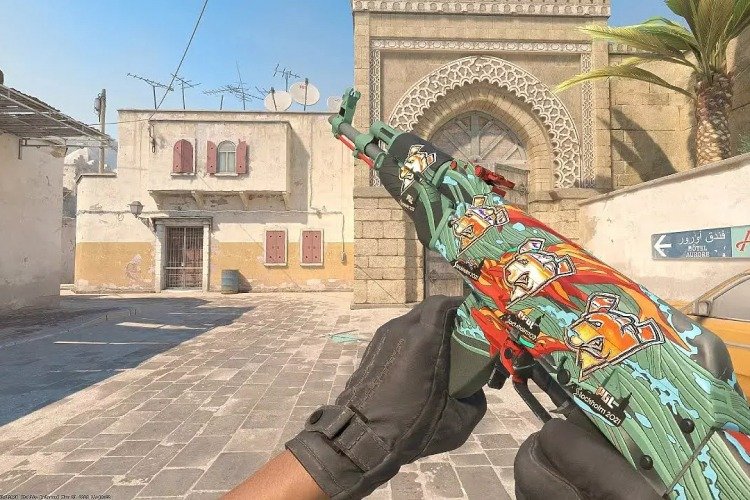
Counter-Strike 2 skins sit in an unusual spot for a crypto reader: they are digital-only goods with real scarcity, a liquid secondary market, and an increasingly crypto-native settlement layer. You do not own them on a blockchain, but the way they are bought, sold, and cashed out has come to look a lot like the rest of the crypto economy. For anyone who already thinks in wallets and stablecoins, the CS2 skin market is a familiar shape in an unfamiliar place.
The overlap is not a coincidence. Skin platforms serve a young, globally distributed, payment-flexible audience, and that is exactly the demographic that adopted crypto rails first. Sites like CSGOFast run deposits and withdrawals in BTC, USDT, and ETH on both legs, which is why a crypto user can move in and out of the skin market without ever touching a card or a bank. The settlement experience rhymes with everything else they already do on-chain.
How does crypto fit into the CS2 skin economy?
It fits on the cash side, not the item side. The skin itself lives in a Steam inventory and moves through Valve’s trade system, while crypto handles the money: you deposit stablecoins or BTC, you receive the value of a withdrawal back in crypto. That split matters. The item is custodied by Steam, the value is settled on a chain you already use, and the platform sits in the middle matching the two. It is closer to a crypto on-ramp with an inventory attached than to a traditional storefront.

Know when your
coins move
Alerts, real-time prices, and market news — all in one app
 4.8 based on 40K reviews in the App Store and Google Play


Why do crypto users gravitate to skin trading?
Three reasons that any DeFi user will recognise. First, the settlement is borderless: a player in any region deposits and withdraws the same way, with no foreign-exchange step and no issuer declining the transaction. Second, the transactions are final and self-custodial up to the platform boundary, which removes the chargeback and reversal friction that defined card-era trading. Third, the asset itself is scarce and market-priced, so it behaves like a collectible with a live order book rather than a fixed-price product. To a crypto user, that is a recognisable risk-and-liquidity profile.
What does a crypto cash-out actually look like?
The flow is short. You agree a sale or a withdrawal, the platform releases the value, and the crypto lands in your wallet, usually within minutes. Stablecoins dominate the withdrawal side because they let a player lock in a dollar value without exposure to BTC or ETH volatility between the sale and the off-ramp. The mechanics are the same ones a crypto user runs every day, which is a large part of why the skin market absorbed crypto rails so quickly and so completely.
Where the analogy breaks down
Skins are not on-chain assets, and that is the honest caveat. Ownership is recorded by Valve, not by a public ledger, so the scarcity and the trade history are auditable only through the game and third-party trackers rather than a block explorer. The crypto layer is the payment rail, not the asset rail. Treat a skin as a custodied digital collectible with crypto settlement, not as a token you hold in a wallet, and the model makes sense without overselling it.
How to think about it as a crypto user
Approach it the way you would any platform that holds value briefly on your behalf. The skin market gives you a scarce, liquid, market-priced asset class with crypto in and crypto out, which is a genuinely interesting addition to a digital portfolio for people already in the space. The diligence is the same as anywhere in crypto: understand where custody sits, confirm the withdrawal path works with a small amount first, and know that the value is set by an open market rather than a promise.
The honest take
CS2 skins are not a crypto asset, but the CS2 skin market has quietly become a crypto market in everything except the ledger. Scarce goods, a liquid secondary market, and stablecoin-settled cash-outs make it familiar territory for anyone who already lives in wallets. If you want exposure to a digital-goods market that settles the way you are used to, it is worth understanding on its own terms, custody caveats included.
FAQ
Can you really buy and sell CS2 skins with crypto?
Yes. Most major skin platforms accept BTC, USDT, and ETH on deposits and pay out in crypto on withdrawals. The skin stays in a Steam inventory; crypto handles the money side of the transaction.
Why are stablecoins common for skin cash-outs?
They let a player lock a dollar value at the moment of sale without riding BTC or ETH volatility until they off-ramp. That predictability is why stablecoins dominate the withdrawal side of the market.
Are CS2 skins stored on a blockchain?
No. Ownership is recorded by Valve through Steam, not on a public ledger. Crypto is the payment rail for buying and cashing out, while the item itself is a custodied in-game asset.