
Crypto in the Heart of Eastern Europe: A Guide to the Digital Asset Ecosystem in Kyiv
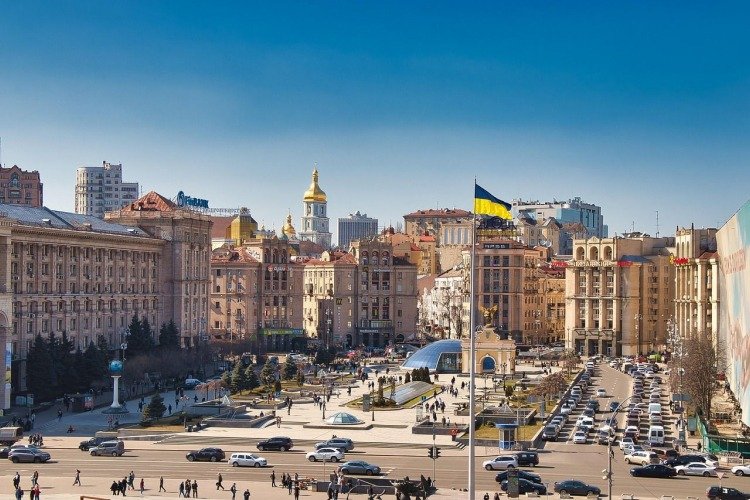
Ukraine does not just participate in the global crypto economy; it leads it. For the fourth consecutive year, Chainalysis has ranked Ukraine among the top five countries worldwide in its Global Crypto Adoption Index, placing it ahead of far wealthier and more established financial markets. At the center of this movement is Kyiv, a city that has quietly become one of the most crypto-active urban environments in the world.
Whether you are a digital nomad passing through, an expat managing cross-border finances, or a local investor looking to optimize your holdings, understanding Kyiv’s crypto infrastructure is increasingly valuable. Here is what you need to know.
The Legal Landscape: Where Ukraine Stands
Ukraine’s approach to digital assets has been one of pragmatic clarity rather than restrictive caution. In 2022, the country passed the Law on Virtual Assets, formally recognizing crypto as a legal financial instrument and establishing a framework for licensed exchange operations.
Key regulatory milestones:
-
2021 — Ukraine’s Ministry of Digital Transformation issues the first official guidelines for crypto-asset classification
-
2022 — The Law on Virtual Assets is signed, granting legal status to Bitcoin, Ethereum, and other digital currencies
-
2023–2024 — Work begins on aligning Ukrainian crypto regulation with EU MiCA standards ahead of potential accession talks
-
Ongoing — The National Bank of Ukraine is actively exploring a digital hryvnia (CBDC) pilot
“Ukraine has chosen a path of regulated innovation. We are not closing the door on crypto—we are building the right frame for it.” — Mykhailo Fedorov, Minister of Digital Transformation of Ukraine
This legal clarity has made Kyiv an increasingly attractive destination for blockchain startups, crypto funds, and OTC trading desks looking for a foothold in Eastern Europe.
Infrastructure & Real-World Use Cases
What sets Kyiv apart from other emerging crypto hubs is the depth of its on-the-ground infrastructure. This is not just a market of speculative traders; it is a city where digital assets function as everyday financial tools.
Where crypto is accepted in Kyiv:
-
A growing number of restaurants, cafes, and co-working spaces, particularly in the Podil and Pechersk districts, accept Bitcoin and USDT as payment
-
Several real estate agencies facilitate property transactions in stablecoins, particularly for international buyers
-
IT freelancers and remote workers widely use USDT and USDC as their primary income currency, bypassing traditional banking delays
-
Crypto ATMs are present across the city center, offering cash-out options for major coins
Why P2P and OTC trading thrive here:
Ukraine’s historically volatile hryvnia has made dollar-pegged stablecoins a practical savings instrument for ordinary citizens. This demand has fueled a robust peer-to-peer trading culture, with high volumes on platforms like Binance P2P and local OTC desks. Kyiv accounts for a significant share of Ukraine’s total on-chain transaction volume, driven by both retail users and institutional actors.
“In Kyiv, crypto is not a trend — it is infrastructure. People use it to pay salaries, save money, and send remittances. The use cases here are more diverse than almost anywhere else in Europe.” — Ivan Petashchuk, co-founder of Blockchain Association of Ukraine
Practical Exchange Solutions: Finding Verified Services
With a busy exchange ecosystem comes an important risk: not all platforms and physical exchange points operate with the same level of transparency or security. Scam operations, inflated spreads, and unverified services remain a real concern for both newcomers and experienced users.
This is where monitoring aggregators become essential. When looking for physical or online liquidity, finding a reliable crypto exchange Kyiv is the first step for both locals and digital nomads. Trusted platforms provide real-time rates and verified reviews to ensure transaction security, allowing users to compare dozens of exchange points side by side before committing to a transaction.
What to look for when choosing an exchange service in Kyiv:
-
Verified operator status: Is the service registered and monitored by a third-party aggregator?
-
Real-time rate transparency: Are spreads displayed upfront, with no hidden fees?
-
User review history: Does the platform have a documented track record with verifiable feedback?
-
Supported payment methods: Does it support local rails such as Privat24, Monobank, and bank transfers?
-
Limits and KYC requirements: Are transaction limits and identity requirements clearly stated?
Using a monitored aggregator removes much of the guesswork and significantly reduces exposure to fraudulent operators who target users unfamiliar with the local market.
The Bigger Picture: Kyiv as a Blockchain Hub
Beyond retail use, Kyiv is building the institutional foundations of a long-term blockchain economy:
-
Diia—Ukraine’s national digital identity app, used by over 20 million citizens, has already integrated blockchain-based document verification
-
USAID and EU-backed programs are funding blockchain education and startup incubation in the city
-
Global exchanges, including Binance and WhiteBIT, have established regional operations or partnerships in Ukraine
-
Annual events such as Kyiv Crypto Conference and regional Blockchain Week continue to attract international speakers and investors
“Kyiv is not trying to be the next Singapore or Dubai. It is building something that fits its own reality, and that makes it genuinely interesting.” — Anastasia Dmytriieva, Managing Director, Ukrainian Blockchain Hub
Worth Remembering
Kyiv’s crypto ecosystem is not a product of hype; it is a product of necessity, innovation, and a regulatory environment that has chosen to work with digital assets rather than against them. For anyone operating in the city, whether short-term or long-term, knowing where to exchange, how to stay safe, and which platforms to trust is no longer optional background knowledge.