
Bitcoin and Southeast Asia's Online Gambling Boom: A Country-by-Country Look
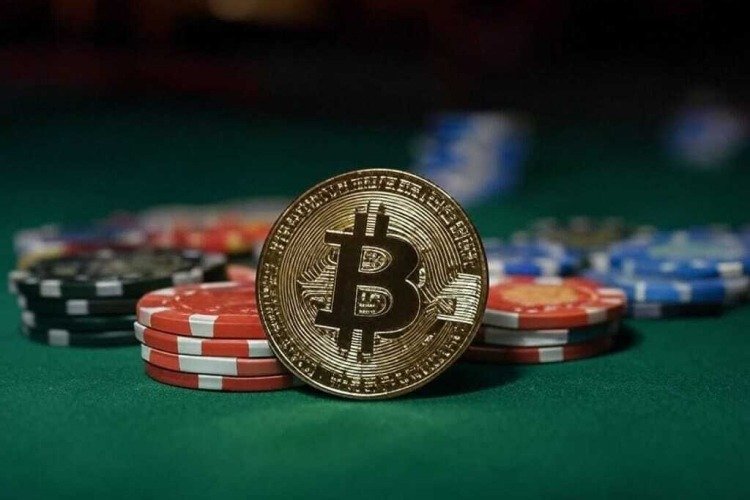
Southeast Asia (SEA) has a very fragmented and restrictive regional picture. Where online gambling is legal, there are three advantageous factors when it comes to Bitcoin transactions. Firstly, this part of Asia is famous for its younger, tech-savvy population, which perfectly corresponds to the age of most online casino players.
Secondly, the region has seen incredibly fast mobile adoption in recent years, and it is statistically proven that most players prefer to deposit and play on the go. Thirdly, legal online gambling frameworks vary widely across the region, contributing to the faster flourishing of this industry in some countries, in contrast to others. These and many other factors have led to growing familiarity of modern casino players with digital payments like Bitcoin.
In some countries, traditional banking methods are either limited or slow, making them unsuitable for online gambling transactions. For instance, nowadays, Bitcoin is often a preferred choice for deposits and withdrawals at crypto-friendly online casinos in Malaysia. It offers fast, borderless payments with a higher degree of privacy, and the best thing is that it is accepted by many gaming sites. Here is a closer look at how Bitcoin fits into the different online gambling markets in Southeast Asia.
The Philippines
Without a doubt, the Philippines is one of the most developed gambling markets in Southeast Asia. Licensed online gaming has existed in different forms for years, supported by the national regulator PAGCOR. Because the market is more open than in many neighboring countries, players often have access to alternative payment methods like bank transfers and e-Wallets like GCash and Maya.
Even so, Bitcoin remains popular among modern players who value privacy and access to international crypto casinos. Bitcoin complements other cryptocurrencies and existing payment systems rather than replacing them. The Philippines is consistently ranked among the top 10 countries globally for crypto adoption, standing in 9th place in Chainalysis’s 2025 Global Crypto Adoption Index and 2nd in 2024 studies.
Thailand
Thailand has a huge online gambling audience despite strict gambling restrictions. Most forms of gambling remain illegal apart from the state lottery and horse racing, so many players use offshore sites. This is where Bitcoin becomes especially useful, despite the temporary tax on capital gains in cryptocurrencies and other restrictions imposed by the government.
Since local banking channels can be risky or restricted for gambling activity, Bitcoin provides a very practical workaround. There were approximately 13 million crypto users as of 2023, representing roughly 18% of the Thai population.
Vietnam
Vietnam is another country with a mixed picture. Certain forms of regulated betting exist, but online casino gambling is restricted, driving many players toward offshore platforms. Bitcoin’s appeal is similar to what we see in Thailand. As of early 2026, approximately 17.2% of Vietnam’s population, or over 16 million people, own Bitcoin and other digital assets. However, the regulatory environment remains sensitive.
Malaysia
Malaysia has a dual legal system with a restrictive legal framework, especially for Muslim-majority communities. Many players access offshore casinos, and Bitcoin has become popular because it bypasses payment friction and adds a layer of discretion.
Traditional banking for gambling can be unreliable, so crypto is viewed as a practical tool by experienced players who already use e-Wallets and other digital exchanges. Estimates about cryptocurrency adoption suggest over 4 million potential users by the end of 2025, or roughly 13% of the population.
Indonesia
Online gambling is illegal in Indonesia, and enforcement efforts can be aggressive. Bitcoin is highly relevant, although it is not as popular as it is in the more open countries reviewed above. That said, high legal risk and strong digital surveillance make Indonesia one of the most cautious and least popular SEA markets for crypto gambling.
Singapore
Singapore has a highly developed digital economy and strong crypto adoption, but gambling is tightly regulated, and online casinos are considered illegal. Still, this could change because, as of 2025, approximately 29% of Singapore’s population holds cryptocurrencies. This country is a major global crypto hub with high adoption, driven by Gen Z and millennials who often use digital assets for daily payments.
Cambodia and Laos
Although Cambodia banned online gambling in 2020, the rules are inconsistently enforced, creating room for offshore platforms. Bitcoin usage is less documented than in larger countries, but crypto’s utility is clear in areas where conventional payment methods are limited. Laos is even more restrictive, and some of its provinces plan to shut down all internet cafes and game shops that promote gambling.
Myanmar and Brunei
Myanmar’s political and economic instability makes formal digital gambling analysis very difficult, but Bitcoin can serve as a workaround where banking is unstable. Brunei, by contrast, has a very strict legal and religious environment with almost no open gambling ecosystem. In both places, Bitcoin plays little to no role in online gambling, and any use is discreet and legally sensitive.
The Bigger Picture & Final Thoughts
Bitcoin is one of the main drivers behind the booming online gambling industry in the SEA region for three main reasons: access, privacy, and cross-border flexibility. In regulated markets like the Philippines, it is an additional convenience. In restrictive markets like Thailand, Malaysia, and Indonesia, it can be a key enabler. Yet, that does not mean it is risk-free. Price volatility, wallet security, and local law all remain major concerns.
The future of Bitcoin gambling in Southeast Asia will depend on regulation, fintech development, and how comfortable users become with crypto. Also, regulation changes could play a major role in the future, especially for countries where online gambling is still banned or considered illegal.