
Are Bitcoin Casinos Still Relying on Bitcoin Only?
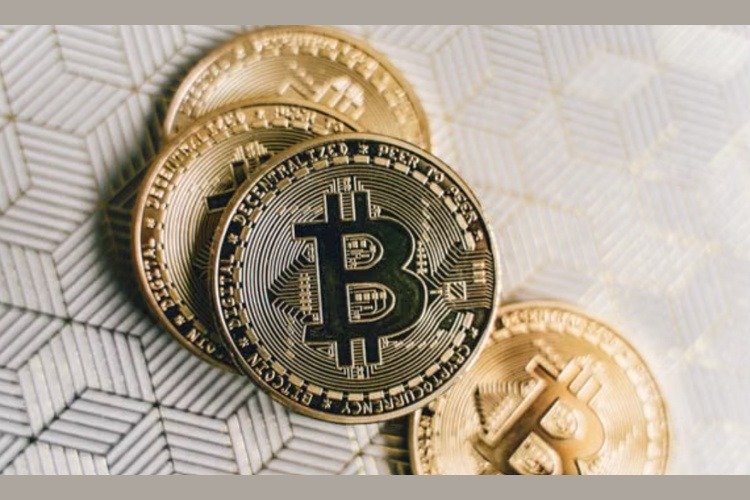
Bitcoin casinos may have started as single-currency gambling platforms, but the name no longer describes how most of the sector operates. Today, “Bitcoin casino” is commonly used as shorthand for an online casino accepting cryptocurrency, even when Bitcoin is only one of 10, 20, or sometimes more than 50 supported digital assets.
From Bitcoin-Only to Multi-Currency Gaming
The earliest crypto casinos focused almost exclusively on Bitcoin because it had the strongest brand recognition, the deepest liquidity, and the largest user base. Its blockchain also made it possible to process payments without conventional banking intermediaries.

Know when your
coins move
Alerts, real-time prices, and market news — all in one app
 4.8 based on 40K reviews in the App Store and Google Play


That model has changed. Modern crypto casinos frequently accept Ethereum, Litecoin, Bitcoin Cash, Dogecoin, XRP, Tron, Solana, Binance Coin, and several stablecoins. Some platforms also support conventional payment methods, including debit cards, bank transfers, and electronic wallets.
Competition has encouraged this expansion. Canada alone has hundreds of gambling websites competing for players, including provincial platforms, licensed private operators and offshore casinos. Because of the number of providers in the market, Casino Guru profiles the best online casinos in Canada through its list of top online casinos, allowing users to compare factors such as available games, payment options, withdrawal policies and promotional terms.
The same competitive pressure is pushing Bitcoin casinos to offer more currencies. A BTC-only cashier can exclude players who hold stablecoins or prefer faster, lower-cost blockchains.
Bitcoin Remains Important
Bitcoin nevertheless remains a foundational casino currency. It represented more than half of the total cryptocurrency market’s value through much of 2025 and continues to be the most recognisable digital asset worldwide.
For casinos, accepting Bitcoin provides access to an established international audience. Transactions can usually be completed without currency conversion, while withdrawals often take minutes or hours rather than the several business days associated with some traditional payment methods.
Bitcoin is not always the fastest option, however. Its network targets an average block interval of approximately 10 minutes, and casinos may require one to six confirmations before crediting a deposit. During periods of congestion, transaction fees and waiting times can increase.
The Lightning Network offers an alternative by processing small Bitcoin payments through secondary payment channels. It can provide near-instant settlement and fees measured in fractions of a penny, although casino support is still less widespread than regular on-chain Bitcoin payments.
Stablecoins Are Gaining Ground
Stablecoins have become one of the most significant alternatives to Bitcoin. USDT and USDC attempt to maintain a value of one US dollar per token, allowing players to use cryptocurrency without exposing their entire casino balance to Bitcoin’s price movements.
This matters because Bitcoin can move by several percentage points in a single day. A player could win at the casino but still experience a fall in the fiat value of their balance if Bitcoin declines before withdrawal.
USDT is available across networks including Ethereum, Tron and Solana. Tron-based USDT has become particularly popular for frequent payments because transfers are generally faster and cheaper than Ethereum transactions during busy periods.
Stablecoins are not free from risk. Their reliability depends on reserves, issuers, network availability and the regulations governing them. Players must also select the correct network when transferring funds. Sending tokens to an unsupported address or blockchain can result in an irreversible loss.
Alternative Coins Improve Speed and Cost
Litecoin remains common at crypto casinos because it offers block times of approximately 2.5 minutes, compared with Bitcoin’s 10 minutes. Dogecoin processes blocks in roughly one minute, while Solana is designed to handle thousands of transactions per second.
Ethereum is also widely accepted, partly because it supports smart contracts and decentralised applications. However, network fees can fluctuate considerably. Newer chains and secondary scaling networks may offer cheaper transactions, although they typically have smaller user bases and less casino coverage.
Supporting several blockchains gives operators added resilience. If one network becomes congested or expensive, customers can deposit and withdraw through another.
Fiat Currency Has Not Disappeared
Many casinos marketed as crypto platforms are now hybrid businesses. Customers may deposit in cryptocurrency, play in euros or dollars and withdraw through either crypto or conventional payment services.
Card purchases are particularly useful for newcomers who do not already own cryptocurrency. The casino or its payment partner can convert the purchase into Bitcoin or another asset. However, card payments may involve processing fees, identity checks and restrictions imposed by banks.
Cryptocurrency does not automatically provide anonymity either. Licensed operators increasingly require identity verification, source-of-funds checks and transaction monitoring. Blockchain payments are pseudonymous, but transactions remain permanently visible on public ledgers.
Why Multi-Currency Casinos Are Becoming Standard
Multi-currency support broadens a casino’s addressable market and gives players greater control over speed, fees and volatility. It can also reduce dependence on one blockchain or payment provider.
The trade-off is complexity. Every additional asset requires secure wallet infrastructure, liquidity management, fraud controls and procedures for handling deposits sent through the wrong network. Operators must also determine how balances, bonuses and winnings are valued when cryptocurrency prices change.
The Verdict
Most Bitcoin casinos are no longer relying exclusively on Bitcoin. Bitcoin remains the sector’s leading brand and an important payment asset, but stablecoins, altcoins, faster blockchain networks and fiat methods now play substantial roles.
The future is therefore likely to be multi-currency rather than Bitcoin-only. Successful casinos will compete not simply by accepting cryptocurrency, but by offering secure payments, transparent conversion rates, reliable withdrawals and enough flexibility for customers to choose the currency and network that best suits them.