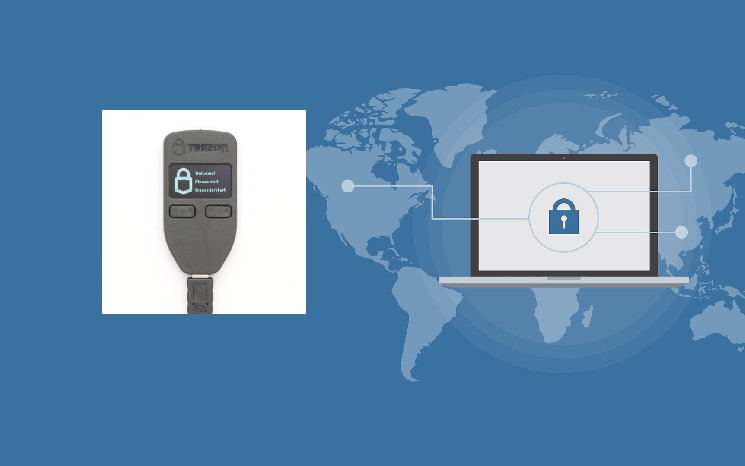
For Bitcoin withdrawals and deposits to their clients’ non-custodial wallets, Swiss financial crypto intermediaries have needed confirmation of ownership of an external wallet’s address since 2019. The Address Ownership Proof Protocol, or AOPP, is one automated way of this.
Introduction of AOPP
Trezor said on January 28 that it will delete this protocol in the upcoming Trezor Suite version “after careful consideration of recent criticism.”
The Trezor hardware wallet included AOPP signing as part of its latest January update last week, allowing users to produce signatures that correspond to the AOPP standard used in specific jurisdictions.
Users on Reddit and Twitter have expressed worry that Trezor’s usage of AOPP signified support for further regulation and disrespect for the possible loss of privacy.
“We welcome public criticism,” the company says
Trezor confessed that it “underestimated how this functionality would be appreciated” in a blog post explaining the discontinuation, but that the business “welcomes the public scrutiny.” Its ability to listen to its users and respond so fast highlights the strength of social media sentiment.
The hardware wallet company claims it is in violation of the AOPP standards, especially the risks of data leaks connected with adopting a demanding identification method such as Know Your Customer, or KYC, to acquire Bitcoin.
The AOPP implementation
Sparrow Wallet, Samourai Wallet, and BlueWallet are among the other hardware wallets that have opted to follow Trezor’s lead and eliminate the automated protocol.
While the AOPP protocol is unlikely to have a direct or negative influence on users of non-custodial wallets, decentralization and freedom are important aspects of the crypto community. The biggest issue is that AOPP’s implementation will create a precedent for increasing government control and monitoring.
ALSO READ: Student lists his ‘soul’ for sale as NFT

 thecoinrepublic.com