Here’s how Ledger’s website was hit by the Optimizely malware attack
ambcrypto.com
7 m
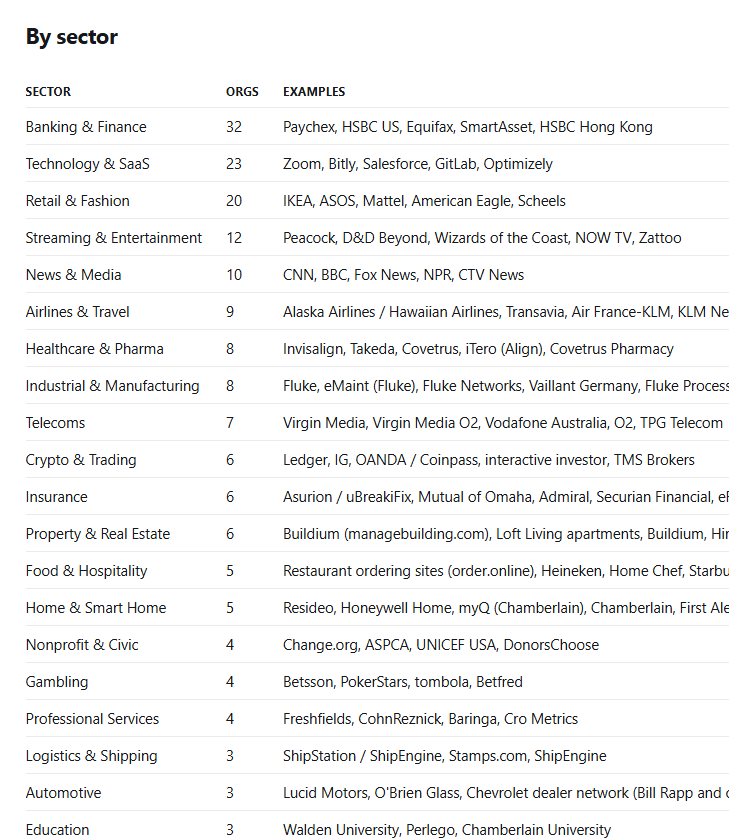
On the 16th of November, Ledger’s public website was infected with malware designed to swap crypto addresses and steal card details. Security researcher Scott Helme traced the code to Optimizely, a website testing provider. His team found compromised scripts tied to 178 organizations, including Ledger, the BBC, and Zoom.
Source: Report URI
How was Ledger’s website affected?
In practice, the malware could swap a copied crypto address for one belonging to the attacker. So if a visitor pasted that address and approved the payment, their crypto could go to the attacker instead.
Know when your coins move
Alerts, real-time prices, and market news — all in one app
Point your phone camera to install
4.8 based on 40K reviews in the App Store and Google Play
So far, researchers have traced the malware to Ledger’s public website. Whether it also affected Ledger’s hardware wallets or the Ledger Wallet app remains unclear.
Just over a month earlier, though, Ledger had faced a separate attack involving physical devices. In that case, Ledger confirmed that some wallets sold through a reseller contained unauthorized hardware.
At the time, AMBCrypto reported that the October theft had reached $91 million across more than 470 crypto addresses.
Source: A/B-testing company Optimizely
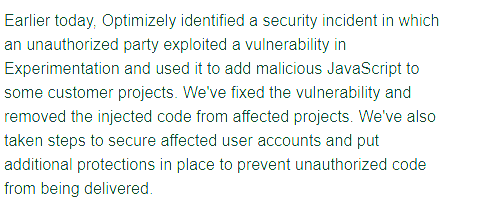
Report URI recorded the cleanup of Ledger’s script at 20:41 UTC that day. Early on the 17th of November, Optimizely said,
We’ve fixed the vulnerability and removed the injected code from affected projects.
How much crypto did victims lose?
Report URI traced about $7,040 in crypto to addresses linked to the attack on the 16th of November. When Galaxy Digital’s Alex Thorn looked at where the money came from, he estimated that victims sent about $2,300. He said,
Most of the rest was the attacker’s own money. The attacker appears to have been very sloppy with their onchain hygiene
However, the number of Ledger visitors who lost funds remains unclear.
What happened at Polymarket?
A similar breach had hit Polymarket a few weeks earlier. In that case, the malicious code could act on behalf of traders who were already signed in.
On the 29th of October, it sold some traders’ positions and moved funds out of their wallets.
Polymarket paused international trading to stop further losses. It later announced $3.9 million in reimbursements, including about $1.2 million for losses during the pause. By the 30th of October, the company said it had fully refunded 689 of the 726 affected wallets.
Final Summary
Ledger’s website served malware in an attack that reached 178 organizations.
However, losses among Ledger visitors remain unknown.

 ambcrypto.com