
 cryptoknowmics.com
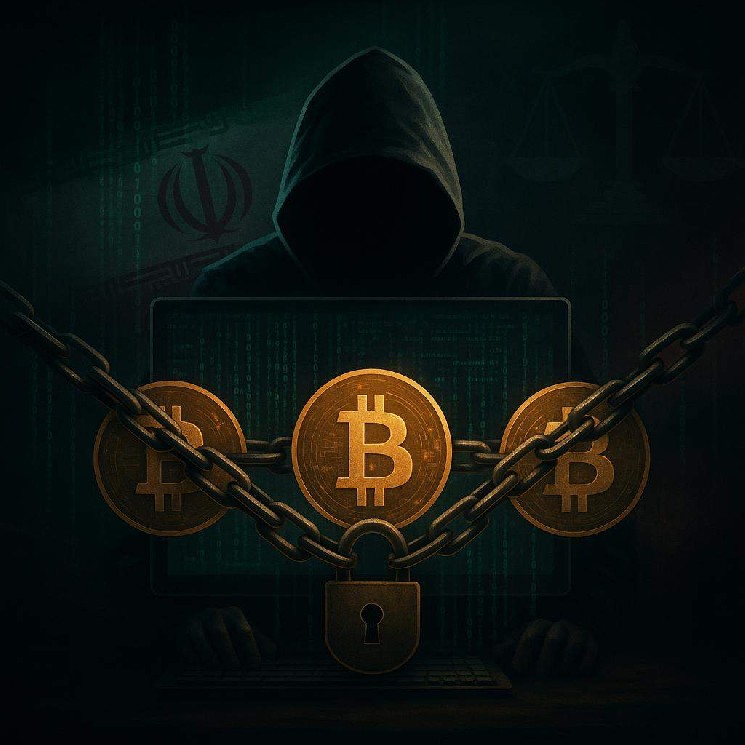
A group of Iranian nationals has been hit with federal criminal charges in the United States over an extensive hacking campaign that allegedly targeted government agencies, critical infrastructure, and private organizations — and demanded millions of dollars in Bitcoin as ransom. The case marks one of the more sweeping cybercrime indictments tied to state-linked actors in recent years.
Prosecutors allege the defendants carried out a coordinated series of intrusions that compromised computer networks across multiple sectors. Among the most striking elements of the case is a reported $6 million Bitcoin ransom demand, underscoring how cryptocurrency has become a central tool in ransomware operations attributed to foreign threat actors. According to reporting by Bitcoin Magazine on the criminal charges, the indictment covers a broad range of alleged offenses connected to the hacking crew's activities.
Who Was Charged and What Are the Allegations?
The indictment names several Iranian nationals believed to be members of a coordinated hacking group. Authorities allege the crew conducted unauthorized access into computer systems belonging to U.S. government bodies, defense contractors, and other high-value targets. The charges include conspiracy, computer fraud, wire fraud, and related offenses.
The alleged scheme involved exploiting known software vulnerabilities to gain footholds in victim networks, exfiltrating sensitive data, and in some cases deploying ransomware to lock systems and demand payment. The $6 million Bitcoin ransom figure cited in the case highlights the scale of the financial demands made on at least one victim organization.
Investigators have linked the group's activities to a pattern of behavior consistent with state-sponsored or state-tolerated cyber operations, though the indictment itself focuses on criminal liability rather than attributing the attacks directly to the Iranian government as an institution.
Bitcoin's Role in the Alleged Ransom Scheme
The use of Bitcoin as the demanded ransom currency is consistent with broader trends seen in ransomware cases worldwide. Threat actors frequently favor Bitcoin and other cryptocurrencies because of their pseudonymous nature and the ability to transfer value across borders without relying on traditional banking infrastructure.
However, law enforcement agencies have grown increasingly adept at tracing cryptocurrency transactions on public blockchains. In several high-profile ransomware cases in recent years, U.S. authorities have successfully recovered portions of Bitcoin ransom payments by following the on-chain trail. It remains to be seen whether similar recovery efforts are part of this particular investigation.
The $6 million figure also reflects the escalating financial ambitions of ransomware operators. Demands of this magnitude, once rare, have become more common as criminal groups refine their targeting strategies to focus on organizations with the resources and urgency to pay.
Broader Implications for Cybersecurity and Crypto Regulation
This indictment arrives at a time when U.S. authorities are intensifying scrutiny of the intersection between cryptocurrency and cybercrime. Ransomware payments made in digital assets have prompted ongoing policy debates about whether such payments should face stricter reporting requirements or outright restrictions.
For the cryptocurrency industry, high-profile cases like this one reinforce the argument made by regulators that stronger anti-money laundering controls and transaction monitoring are necessary. At the same time, blockchain analytics firms and law enforcement have demonstrated that the transparency of public ledgers can work against bad actors over time.
The charges also serve as a signal to foreign hacking groups that U.S. prosecutors are willing to pursue lengthy, complex investigations even when defendants are located outside American jurisdiction. While extradition in such cases is often unlikely, indictments carry symbolic and practical weight — they can restrict defendants' international travel and freeze any assets held in reachable jurisdictions.
What Comes Next
The defendants, believed to remain outside the United States, face significant legal exposure if they ever travel to a country with an extradition agreement with the U.S. Federal authorities are expected to continue building the evidentiary record, and additional charges or co-conspirators could emerge as the investigation progresses.
The case is likely to fuel further discussions in Washington about how to deter state-linked cybercriminals who use cryptocurrency to monetize their attacks. For now, the indictment stands as one of the most detailed public accountings of an alleged Iranian hacking operation and its financial mechanics — with Bitcoin sitting at the center of the alleged criminal enterprise.