
 coindesk.com
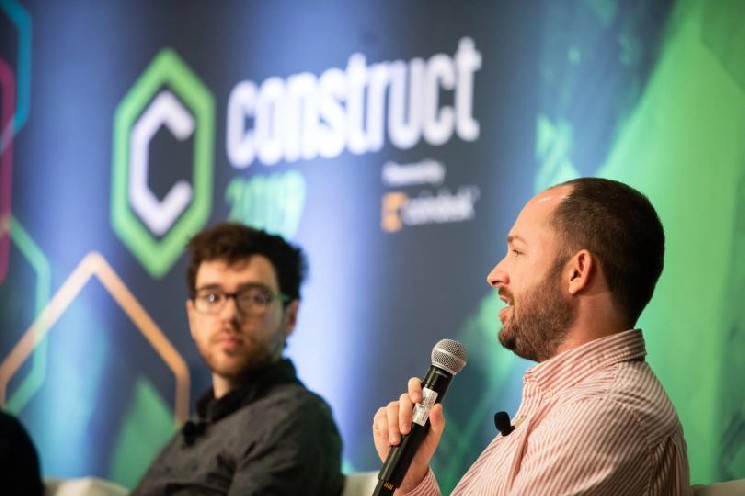
A leading core Bitcoin developer said he would rather see the estimated 5.6 million bitcoin he believes to be lost frozen by the network than risk them falling into the hands of future quantum hackers.
Jameson Lopp told CoinDesk that while he does not want to freeze anyone’s bitcoin, removing dormant tokens from potential circulation may be safer for the network.
“At the moment, I don’t believe any of this is necessary,” Lopp said in an interview, emphasizing that he is thinking “adversarially about a potential future threat.” Still, he would “rather for lost or dormant coins to be taken out of reach from an attacker rather than have them flow into the hands of an entity that likely doesn’t care much about the ecosystem.”
His comments follow the Tuesday release of BIP-361, a proposal from Lopp and others that explores phasing out bitcoin’s current cryptographic signatures and, over time, invalidating transactions from quantum-vulnerable wallets, potentially freezing assets that fail to migrate. At current prices, the dormant tokens Lopp referenced are worth roughly $420 billion.
In a subsequent post on X, Lopp said he “doesn’t like” the proposal and hopes it never needs to be adopted, describing it as a “rough idea for a contingency plan” rather than a finalized specification. “I wrote it because I like the alternative even less,” he wrote, adding that in the face of an existential threat, “individual economic incentives outweigh philosophical principles.”
It’s not the first time Lopp has expressed his feelings about quantum recovery, which he said amounts to rewarding technological supremacy rather than productive participation in the network. “Quantum miners don't trade anything,” Lopp wrote. “They are vampires feeding upon the system.”
Millions of bitcoin likely lost forever
Roughly 28% of all bitcoin, or about 5.6 million tokens, has not moved in over a decade, Lopp said, adding that he and other analysts consider it likely lost. If ever recovered through advances in quantum computing, that amount could introduce significant volatility and undermine confidence in the original crypto network, Lopp added.
While the proposal remains in early stages with no set timeline for adoption, it has already sparked fierce debate within the community.
Lopp framed the idea as a way to encourage or even push others to upgrade their wallets before any real threat emerges.
“It’s not that I want to freeze anyone’s bitcoin,” he said. “We believe it will be necessary to incentivize the ecosystem to upgrade because humans tend to be procrastinators.”
Any change would require consensus across the decentralized network. While no formal vote takes place on the matter, similar upgrades have in the past required overwhelming support from miners to activate.
Read more: To freeze or not to freeze: Satoshi and the $440 billion in bitcoin threatened by quantum computing
Massive market panic risk
More significant risks include the loss of trust in the largest cryptocurrency itself, Lopp said. While a sudden dump of millions of bitcoin onto the market could trigger sharp price swings, he said the bigger danger lies in perception.
“It doesn’t even require a massive market dump,” Lopp said. “If there is any credible evidence that anyone has the capability to recover lost or vulnerable coins with a quantum computer, you should expect a massive market panic immediately.”
In that scenario, he said, rational holders would probably exit the system until there is confidence the blockchain has been secured against such threats.
The result is a growing divide within the community, one that pits Bitcoin’s long-standing promise of immutable, censorship-resistant ownership against the need to defend the network from a potential future shock.
Departure from Bitcoin’s principles
Market analyst Mati Greenspan, founder of Quantum Economics, said the debate is more philosophical than technological.
“The path to quantum resistance is relatively clear," he said. "The real question is how the Bitcoin community chooses to handle vulnerable coins along the way.”
In his opinion, freezing dormant bitcoin accounts would mark a significant departure from Bitcoin’s core principles.
“On one hand, freezing dormant or exposed coins could remove a major tail-risk and protect market confidence,” Greenspan said. “On the other, it introduces a precedent of intervention that many would argue is more dangerous than the threat itself.”
Greenspan explained that even without a large-scale sell-off, visible quantum attacks on dormant wallets could trigger panic across the market.
Others argue that freezing dormant BTC accounts risks undermining Bitcoin’s foundational guarantees.
“Ownership becomes conditional. Having keys no longer guarantees you can spend,” said Leo Fan, founder of Cysic and former lead on quantum resilience at Algorand. “That weakens Bitcoin’s ‘unstoppable money’ promise.”
And while he does not agree with freezing the accounts, Fan noted that removing millions of bitcoin from circulation could tighten supply, potentially boosting its value.