
 cointelegraph.com

Crypto ATM fraud surged to $333 million in the US in 2025, with complaints received by the FBI growing 33% in the year as scam networks became more industrialized while tapping into advanced AI deepfake technology.
Crypto ATM fraud is one of the fastest-growing financial crime categories in the US, according to cybersecurity firm CertiK in its latest report shared with Cointelegraph on Thursday, explaining that criminal organizations are exploiting the “speed and pseudonymity” of crypto ATMs or “kiosks” to extract funds from victims at an accelerating pace.
The FBI recorded more than 12,000 complaints between January and November 2025, also a 33% increase from the prior year. The US accounts for 78% of the world's 45,000 cryptocurrency machines, said CertiK.
Their ability to convert cash to crypto in under five minutes with minimal identity verification “makes them the lowest-friction extraction channel available to scammers,” the firm added.
Elderly more vulnerable to social engineering
The report also noted that there was an “attribution gap” because the blockchain only records the operator-to-destination transfer, not the victim’s identity. This makes forensic tracing extremely difficult without court orders for operator records.
Around 86% of losses involve victims over 60, as older adults are disproportionately vulnerable due to “liquid savings,” lower crypto literacy, and social isolation.
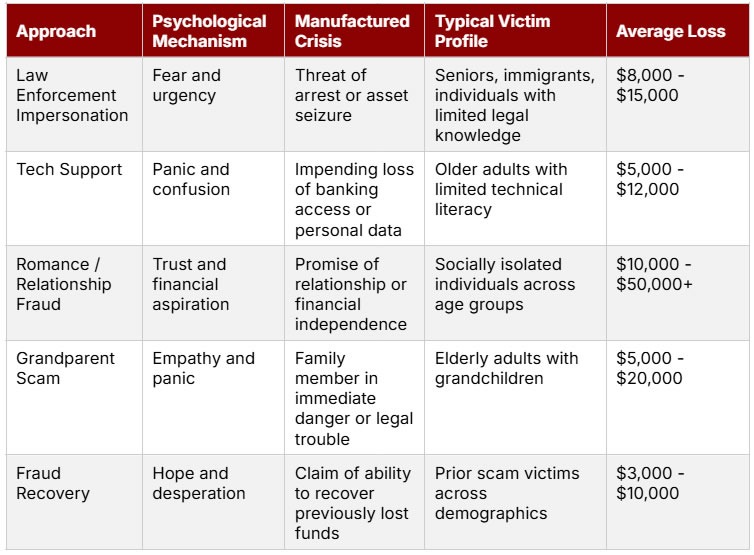
However, younger victims are increasingly appearing in romance or investment scams, commonly known as “pig butchering,” which is one of five primary tactics used by scammers.
The other four approaches are government impersonation, tech support fraud, “grandparent scams,” and fake fraud recovery offers.
Related: DC attorney general sues Athena Bitcoin over alleged hidden fees
Unlike phishing or wallet-draining attacks, which involve compromising private keys or tricking users into signing malicious smart contract requests, ATM-based fraud “relies entirely on social engineering to induce the victim to perform a voluntary physical action at a kiosk,” stated CertiK.
AI is making things worse
AI-enabled social engineering scams were 4.5 times more profitable than traditional methods in 2025, reported CertiK.
The integration of “real-time deepfake synthetic media” into scam and fraud operations represents the most “significant near-term escalation,” it stated.
“AI-driven personalization tools enable scammers to scrape social media data and construct hyper-targeted scripts that mirror the specific language, appearance, and communication patterns of the victim's trusted contacts.”
The profile of crypto ATM scammers has also shifted from independent actors to structured transnational criminal organizations operating with corporate-level divisions of labor, according to CertiK.
“Transnational criminal organizations are industrializing ATM-based extraction at unprecedented scale.”
Wyoming Senator Cynthia Lummis said in September that she hopes the crypto market structure legislation will help tackle ATM fraud by punishing bad actors without limiting innovation.
In February 2025, US Senator Dick Durbin introduced the Crypto ATM Fraud Prevention Act, aiming to introduce safeguards for crypto kiosk users.
Magazine: China’s ‘50x’ blockchain boost, Alibaba-linked AI mines Bitcoin: Asia Express