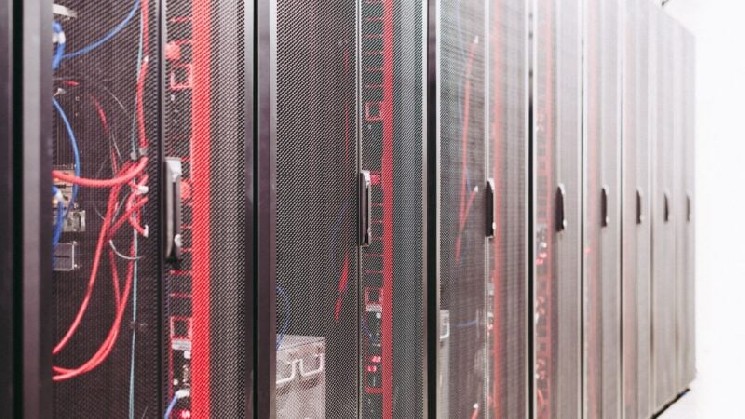
The industry term is “behind-the-meter” power. Picture a homeowner with a backyard generator, except the generator is a fleet of industrial turbines and the house is a supercomputer.
xAI had its first gas turbines running at the Memphis Colossus site by mid-2024. At the peak, 35 turbines were on site, with roughly 422 MW of nameplate capacity before permanent units replaced them. Some of those early turbines operated without permits.
Regulators eventually caught up with the arrangement. In July 2025, the Memphis site, known as Colossus 1, received a permit for 15 permanent turbines with a combined capacity of approximately 247 megawatts.
The second campus, Colossus 2 in Southaven, Mississippi, operates at a different scale. Regulators approved 41 gas turbines there in March 2026, supplying around 1.2 gigawatts of capacity.
On November 11, 2026, the Mississippi Department of Environmental Quality Permit Board upheld that air permit despite appeals from the community. Before the shift to permanent equipment, unpermitted turbines in Southaven reportedly peaked at 69 units. Those are scheduled to be phased out by July 2027.
Turbines are only part of the energy mix. The Colossus sites are also adding grid capacity in increments of 150 to 300 MW and using battery storage. Together, these point toward expansion at gigawatt scale.
The legal fight that comes with the turbines
In April 2026, the NAACP filed a federal lawsuit against xAI alleging Clean Air Act violations tied to emissions from both the temporary and permanent turbines. The case is still unresolved. In late October 2026, judges denied motions to dismiss, which means the lawsuit continues.
Community concerns center on what gas turbines release into the local air. Running dozens of them near homes is a different proposition than drawing power from a distant plant on the grid.
From one-off experiment to industry trend
According to the research findings, xAI now operates as SpaceXAI after SpaceX acquired it in 2026.
The Colossus campuses exist to train AI models such as Grok. Training at that scale needs enormous, steady power, and xAI decided the local utilities could not supply enough of it on its timeline.
Several dates are worth circling. The NAACP Clean Air Act case is moving ahead after the October 2026 rulings. The Southaven permit survived its November 2026 appeal. The phase-out of the remaining unpermitted Southaven turbines is scheduled for July 2027.

 cryptobriefing.com