That framing matters. Rather than singling out Bitcoin miners the way the 2018 rule did, this version treats AI data centers and crypto mining as part of the same problem — heavy, concentrated electricity draw that can strain local infrastructure and drive up costs for everyone else on the grid.
Scope of the moratorium includes crypto mining and AI data centers
Under the draft rule, the pause would not distinguish between a facility mining Bitcoin, running AI workloads, or doing some hybrid of both. Any operation big enough to trip the energy threshold would fall under the freeze, regardless of what it’s actually computing.
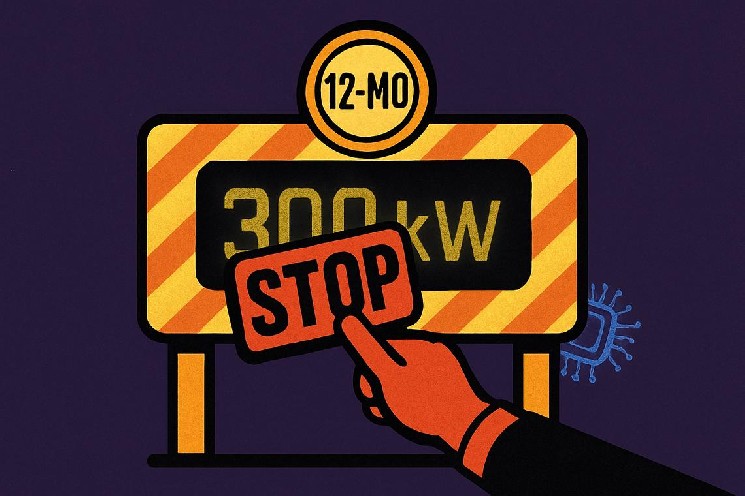
Threshold for affected operations set at 300 or more kilowatts
The proposed moratorium would halt land use approvals for any facility requiring 300 kilowatts or more of power. That figure sets a fairly firm dividing line: smaller commercial or residential energy users stay untouched, while industrial-scale mining rigs or server farms get caught in the pause.
Public process and current status of the moratorium
As of now, nothing is finalized — the town has opened the floor to residents but hasn’t locked in a decision. Plattsburgh held a public hearing on Thursday where Mayor Wendell Hughes and the common council listened to input from residents on the proposed local law before deciding whether to move forward.
As of Tuesday, the mayor had not signed off on the moratorium, according to local reporting. The matter isn’t closed, though. Another council meeting is scheduled for September 17, giving officials more time to weigh feedback from the hearing before any vote.
Public hearing with Mayor Wendell Hughes and common council
The Thursday session gave residents a direct line to voice concerns about noise, energy costs, and the pace of industrial development tied to computing facilities. That kind of public input has historically shaped how Plattsburgh handles these fights — the town’s earlier crypto mining restriction also followed community pushback over rising electricity bills.
Next council meeting and mayoral approval pending
With the September 17 meeting still ahead, the moratorium remains a proposal rather than law. Whether Hughes and the council ultimately approve it will determine if Plattsburgh becomes one of the first towns to formally pair AI data center regulation with crypto mining restrictions under one policy.
Historical context of crypto mining regulation in Plattsburgh
This isn’t new territory for the town. Plattsburgh has direct experience restricting energy-intensive computing, which is exactly why this latest proposal is drawing attention beyond local news.
2018 Bitcoin mining ban and 18-month moratorium
Plattsburgh was among the first jurisdictions in the United States to outright ban Bitcoin mining. That 2018 moratorium lasted 18 months and came directly in response to residents’ complaints about electricity costs — a concern that echoes almost word for word in the current debate over AI and crypto facilities.
Community concerns about electricity costs driving regulation
Then, as now, the core issue isn’t ideological opposition to Bitcoin or AI. It’s about who absorbs the cost when a handful of industrial operations pull disproportionate amounts of power from a shared grid. That practical, cost-driven framing is likely why the current proposal expanded beyond mining alone to include AI data centers.
Industry response and market shifts
Why this matters for the broader industry: Plattsburgh’s move lands at a moment when crypto miners themselves are already rethinking their business models. Many mining companies have pivoted their operations toward AI and high-performance computing amid mounting difficulty in mining itself, rising power costs, and falling token prices.
That pivot complicates the regulatory picture. A facility built for Bitcoin mining today might be repurposed for AI workloads tomorrow — which is exactly the blurred line Plattsburgh’s proposed rule seems designed to close by regulating energy consumption directly rather than the specific computing activity behind it.
Crypto mining companies pivoting to AI and high-performance computing
The shift toward AI-focused computing has been driven largely by economics: mining profitability has been squeezed as power costs climb and crypto prices swing lower, pushing operators to chase steadier revenue from AI clients instead. Local governments watching this shift are increasingly treating the two industries as a single regulatory category rather than separate concerns.
FAQ
What is the scope of the proposed moratorium in Plattsburgh?
The moratorium would temporarily ban land use approvals for high energy computing facilities, including cryptocurrency mining and AI data centers, that require 300 or more kilowatts of power.
Has the moratorium been approved by Plattsburgh’s mayor?
As of the report date, Mayor Wendell Hughes had not approved the moratorium. Another council meeting is scheduled for September 17 to continue discussions.
What previous action has Plattsburgh taken regarding crypto mining?
Plattsburgh previously imposed an 18-month ban on Bitcoin mining in 2018, driven by resident concerns over rising electricity costs.
Why are some crypto mining companies shifting focus to AI and high-performance computing?
Companies have been pivoting toward AI and high-performance computing because of growing difficulty in crypto mining itself, along with rising power costs and falling token prices.
Article produced with the assistance of artificial intelligence and reviewed by the editorial team.

 en.cryptonomist.ch