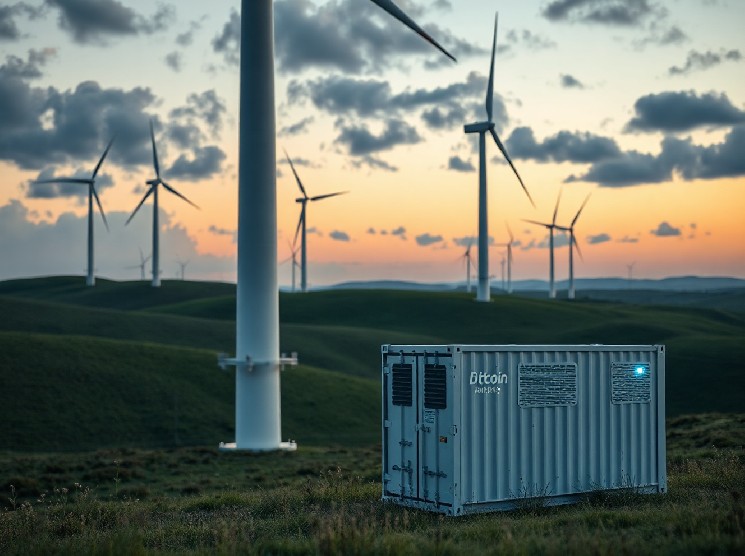
The study suggests that Bitcoin mining, which requires large amounts of electricity and can be flexibly curtailed, offers a practical solution to this challenge. By co-locating mining rigs at wind farms, operators can turn otherwise lost energy into a profitable activity, improving the financial viability of renewable projects.
The research also highlights that only the latest-generation mining equipment proved economically viable in this setup. Older machines, with lower efficiency and higher energy consumption, were not able to generate sufficient returns to justify their installation, underscoring the importance of technological advancement in mining hardware.
Implications for the Energy and Crypto Sectors
This study adds to a growing body of evidence that cryptocurrency mining can play a constructive role in the energy transition, particularly in regions with high renewable penetration and grid bottlenecks. For wind farm operators, the potential for additional revenue could make future projects more attractive to investors, especially in markets where curtailment is a growing concern.
However, the findings are not without caveats. The economic viability of such projects depends on several factors, including electricity prices, mining difficulty, and the cost of hardware. Fluctuations in Bitcoin’s price and mining profitability could also affect the long-term sustainability of these ventures.
For policymakers, the study offers a potential avenue for reducing curtailment without requiring massive grid infrastructure investments, though it also raises questions about the environmental impact of redirecting renewable energy to cryptocurrency mining rather than storage or other uses.
What Readers Should Understand
While the concept is promising, it is not a one-size-fits-all solution. The research is based on a specific set of assumptions, and real-world outcomes could vary. Nonetheless, it provides a>
Related Reading
- Metaplanet and Hut 8 Move Combined 1,966 BTC Worth $125M to External Addresses
- Luke Dashjr Confirms BLAKE2b as New Proof-of-Work Algorithm for BIP-110 Chain
- Bitcoin May Have Already Bottomed, Says Bitwise CIO Matt Hougan
- Bitcoin Rally May Fade Without Spot Demand, CryptoQuant CEO Warns
- Altcoin Season Index Slips to 42: What It Signals for Crypto Markets

 bitcoinworld.co.in