
 bitcoinworld.co.in
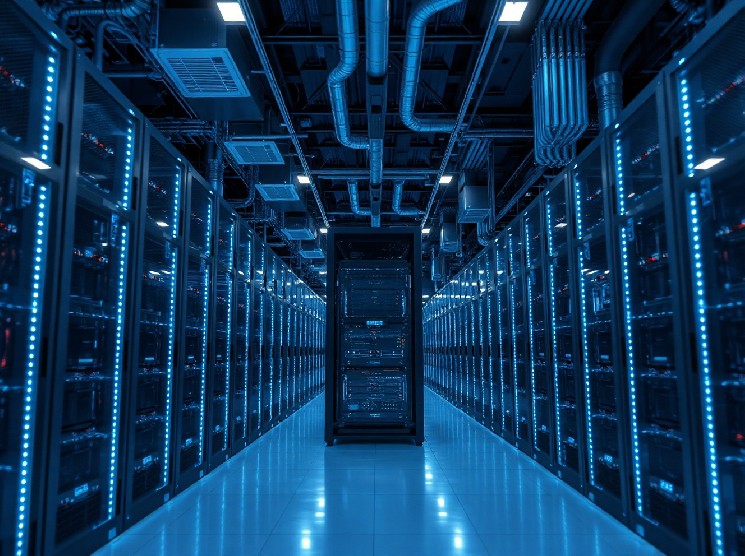
TeraWulf reported $44.8 million in revenue for the second quarter of 2025, with 71% of that total derived from high-performance computing (HPC) leasing contracts, according to The Block. The results underscore a broader strategic shift among legacy bitcoin mining firms, which are increasingly repositioning their infrastructure to serve the growing demand for AI and cloud computing.
Revenue Mix Signals Strategic Pivot
The revenue breakdown marks a significant milestone for TeraWulf, which originally built its business around bitcoin mining. The company’s HPC and data center operations now contribute the majority of its top line, reflecting a deliberate move to diversify beyond the volatile cryptocurrency market. This pivot aligns with a wider industry trend, as miners seek more stable, long-term revenue streams from enterprise clients.
Industry-Wide Shift Toward Data Centers
TeraWulf is not alone in this transition. Other major crypto mining firms, including MARA Holdings, IREN, CleanSpark, and Cipher Mining, have also announced or expanded data center initiatives. These companies are leveraging their existing energy infrastructure and operational expertise to attract HPC tenants, ranging from AI startups to established cloud providers. The shift is driven by the need to mitigate bitcoin price volatility and capitalize on the AI boom.
Implications for the Crypto Mining Sector
For investors and industry observers, this trend signals a maturation of the crypto mining sector. By diversifying into data centers, miners can achieve more predictable cash flows and potentially higher valuations. However, it also introduces new operational challenges, including the need for specialized cooling systems, network connectivity, and enterprise-grade security. The success of this pivot will depend on each company’s ability to execute and secure reliable, high-paying contracts.
Conclusion
TeraWulf’s Q2 performance highlights a defining moment for the crypto mining industry. As legacy miners increasingly embrace data center operations, they are transforming their business models to meet the demands of the AI era. This shift not only strengthens individual companies but also broadens the appeal of the sector to a new class of investors and clients.
FAQs
Q1: Why are bitcoin mining companies moving into data centers?
Bitcoin mining companies are diversifying into data centers to secure more stable, recurring revenue from high-performance computing clients, reducing their dependence on volatile bitcoin prices.
Q2: What is high-performance computing (HPC) leasing?
HPC leasing involves renting out computing infrastructure—such as servers, storage, and networking—to clients that need substantial processing power for tasks like AI training, scientific simulations, or financial modeling.
Q3: How does this trend affect the broader crypto market?
The trend signals a maturing of the crypto mining industry, potentially attracting more institutional investment and improving the sector’s reputation. It also creates new competition for traditional data center providers.
Related Reading
- Hyperscale Data Sells 150.5 BTC, Trims Bitcoin Treasury as It Pivots to AI Data Centers
- Bernstein Holds $32 Price Target on Cipher Digital Despite Wider Q2 Loss and Stock Decline
- Trump-linked Bitcoin firm reaches $2.5M settlement with DOJ over pandemic loan
- Startup EON bets on space lasers to link data centers, aiming for 2.4 Tbps links
- Texas Pauses New Data Center Connections as Governor Orders Audits