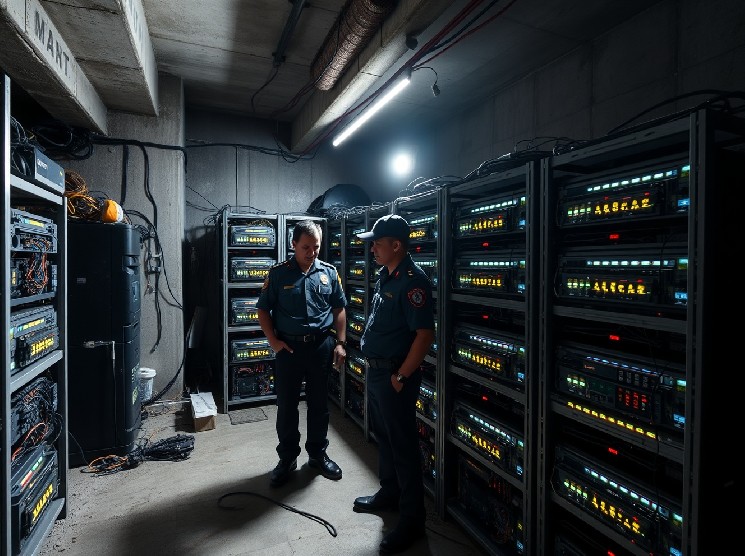
The Broader Context of Crypto Mining and Power Theft in Malaysia
Illegal Bitcoin mining has become a recurring issue in Malaysia, where the high electricity consumption required for cryptocurrency mining often leads to theft from the power grid. TNB has reported millions of ringgit in losses annually due to such activities. In 2023 alone, the utility company uncovered numerous cases of illegal mining operations that bypassed meters or tapped directly into power lines.
The Perak region, where Tronoh is located, has seen a concentration of these illicit setups, often hidden in residential areas or industrial buildings. The heat and noise generated by the mining rigs, combined with unusual electricity usage patterns, frequently tip off authorities.
Why This Matters for the Crypto Industry
While Bitcoin mining itself is legal in Malaysia, operating without proper electricity metering and payment constitutes theft. These raids underscore the regulatory risks for miners who attempt to cut costs illegally. Legitimate mining operations must navigate high energy costs and strict compliance with utility regulations. The crackdown also highlights the ongoing tension between the energy-intensive nature of proof-of-work mining and national infrastructure security.
Conclusion
The Tronoh raid is the latest in a series of enforcement actions by Malaysian authorities against illegal cryptocurrency mining. It serves as a warning that energy theft for crypto mining will be met with legal consequences. For the broader crypto community, the case reinforces the importance of operating within legal frameworks, especially in jurisdictions where energy theft is treated as a serious criminal offense.
FAQs
Q1: Is Bitcoin mining illegal in Malaysia?
No, Bitcoin mining is not illegal in Malaysia. However, stealing electricity to power mining operations is a criminal offense. Miners must pay for their electricity usage through legal metering and billing.
Q2: What penalties do those arrested face?
The suspects are being investigated for electricity theft and damage to electrical installations. Under Malaysian law, these offenses can result in fines and imprisonment, though specific penalties depend on the scale of the theft and court discretion.
Q3: How do authorities detect illegal mining operations?
Utility companies like TNB monitor for abnormal electricity consumption patterns, such as unusually high usage in residential areas or discrepancies between metered and unmetered power. Physical signs like excessive heat, noise from cooling fans, and sealed-off rooms also trigger investigations.
Related Reading
- DCG Mining Unit Fortitude Files SEC Paperwork for Merger With HeartSciences, Paving Way for IPO
- Core Scientific posts $41.9M loss after scrapping Block Bitcoin mining chip deal
- Fortitude, DCG’s Mining Arm, Energizes First Greenfield Facility in Nebraska
- Bitcoin Mining Pool Poolin Files for Chapter 11, Plans Sale of Texas Facilities
- Bitdeer mined 990 BTC in June, up 388% from a year earlier

 bitcoinworld.co.in