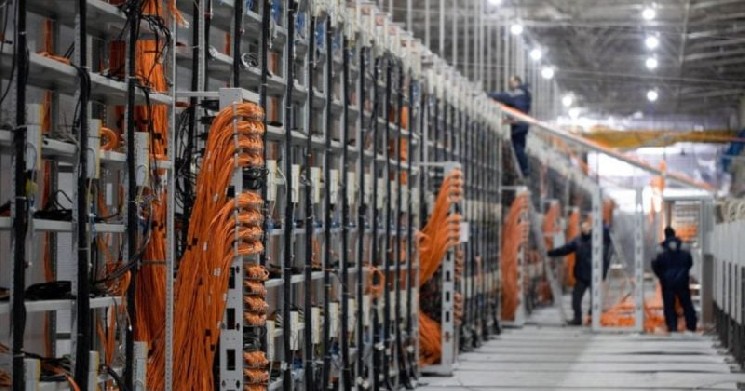
The Georgian government estimates that illegal mining operations have been draining between GEL 20 million and GEL 25 million annually from the national energy system.
Regular consumers in the area have been paying roughly GEL 1.5 extra per subscriber because of hidden electricity use from unauthorized mining rigs.
The region’s power grid has been buckling under the strain, with frequent outages disrupting daily life for residents who have nothing to do with crypto.
Why Mestia became a mining hotspot
The Svaneti region, nestled in Georgia’s mountainous northwest, has long offered conditions that crypto miners dream about. Cheap hydroelectric power, cold mountain air for natural cooling, and historically minimal oversight created a perfect storm for mining operations to flourish in the shadows.
Illegal mining in the area has persisted since the early 2020s. Previous enforcement measures, including house-to-house disconnections and equipment seizures carried out in 2021 and 2022, provided only temporary relief, failing to eliminate the undue strain on transmission lines.
How the crackdown will work
The government’s plan has a few moving parts worth understanding. First, electricity meters will be installed across all villages in the municipality. This creates a baseline of measurable consumption that makes it nearly impossible to siphon power undetected.
Second, law enforcement will actively support the initiative. This isn’t just a utility company project. It’s a coordinated government operation with teeth.
Third, Georgia plans to maintain free or subsidized electricity within established limits. The new tariffs will only kick in for excess usage. If you’re a normal household using a normal amount of power, nothing changes for you. If you’re running a warehouse full of ASIC miners on the public grid, prepare for a very different electricity bill.

 cryptobriefing.com