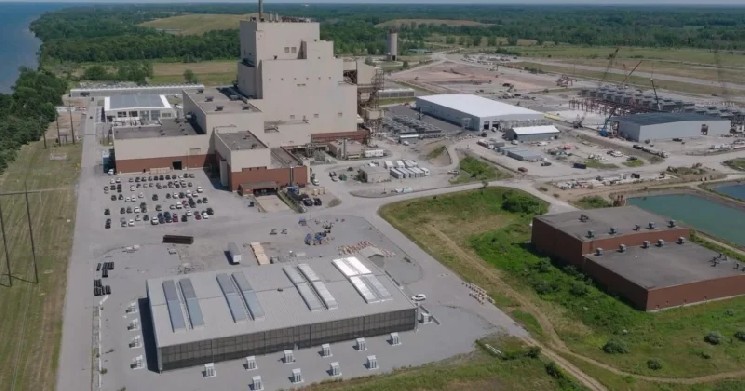
The campus is designed to eventually deliver more than 1 GW of total AI and HPC capacity. TeraWulf isn’t flipping the switch all at once, though. The buildout follows a phased approach. The first 500 MW tranche is projected for deployment in the second half of 2028, with another 500 MW targeted for the second half of 2030.
The company has already secured energy service agreements with Kentucky Power.
Kentucky is becoming TeraWulf’s power base
Muskie is now TeraWulf’s second data campus in Kentucky, joining the existing 480 MW Justified Data campus in Hancock County. Combined, these two Kentucky facilities alone represent a substantial concentration of compute-ready infrastructure in a state that offers favorable energy economics.
What this means for investors
The 12% stock pop tells part of the story, but the more interesting question is whether TeraWulf can actually execute on these timelines. Promising 500 MW by late 2028 and another 500 MW by 2030 is ambitious. Data center construction is notoriously plagued by delays, supply chain bottlenecks for electrical equipment, and permitting headaches.
TeraWulf’s edge, if it has one, is in power acquisition. The company’s roots in energy-intensive Bitcoin mining gave it institutional knowledge about securing large-scale power agreements, which is arguably the hardest part of building AI data centers today.
With over 2.8 GW of total infrastructure in its portfolio and two major Kentucky campuses anchoring its strategy, TeraWulf has staked a clear claim in the AI power race.

 cryptobriefing.com