
 coinedition.com
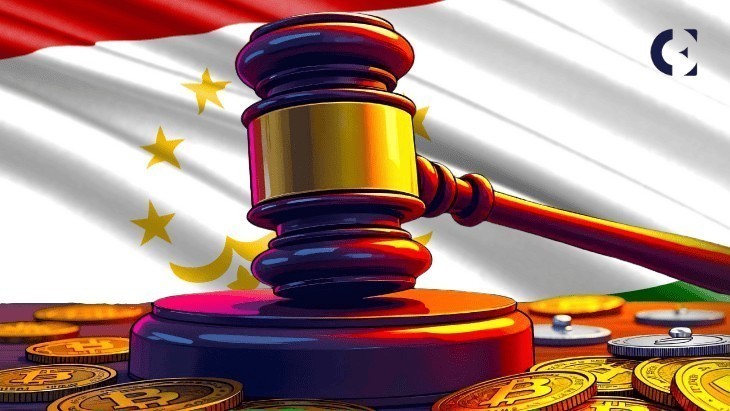
Tajikistan’s parliament amended the Criminal Code on December 3 to specifically criminalize electricity theft for virtual asset production. The legislation, Article 253, replaces previous administrative fines with criminal charges for unauthorized grid connections. Enforcement agencies can now prosecute miners immediately rather than issuing warnings.
Lawmakers framed the reform as a response to growing pressure on energy infrastructure and rising financial losses.
The Legislative Hammer: Article 253
On December 3, Tajikistan’s parliament approved amendments that criminalize electricity theft for cryptocurrency mining. The changes add a specific offense covering unauthorized energy use for virtual asset production. Hence, enforcement agencies now gain clearer legal tools to pursue offenders.
Related: Tajikistan Cracks Down on Illegal Miners Causing $3.5 Million in Grid Losses
Fines start at roughly $1,650 for individual violations and rise with severity. Additionally, coordinated activity by multiple offenders triggers harsher penalties. Organized operations involving large-scale theft can lead to long prison sentences. Lawmakers argued that clear penalties create deterrence where administrative fines previously failed.
Officials Cite Infrastructure and Crime Risks
Senior officials told lawmakers that illegal mining has already strained local power networks. Consequently, some regions faced outages and equipment damage linked to unmetered consumption. Authorities reported millions of dollars in cumulative losses from such activities.
Moreover, investigators uncovered cases involving smuggled mining machines and illegal grid connections. Lawmakers also linked illegal mining to tax avoidance and financial crimes.
Hence, the new rules aim to protect state revenue alongside infrastructure. Energy experts warned that high-powered mining devices consume electricity comparable to small factories. Large farms multiply that impact, increasing risks during peak demand months.
Winter Energy Deficit
Tajikistan’s annual autumn and winter shortages added urgency to the legislative push. This year, several regions received electricity for only a few hours daily. However, illegal mining continued to draw power around the clock.
Authorities believe enforcement will ease grid pressure and stabilize supply. Additionally, the country already enforces strict penalties for electricity theft unrelated to mining.
The new offense complements those rules by targeting a fast-growing source of abuse. The law will take effect after presidential approval and publication. Significantly, officials expect the changes to signal zero tolerance for energy misuse as demand intensifies.
Related: Bitcoin Miners Face Crackdown After Stealing US$1B in Electricity From Malaysia’s Grid
Disclaimer: The information presented in this article is for informational and educational purposes only. The article does not constitute financial advice or advice of any kind. Coin Edition is not responsible for any losses incurred as a result of the utilization of content, products, or services mentioned. Readers are advised to exercise caution before taking any action related to the company.