
 coinfomania.com
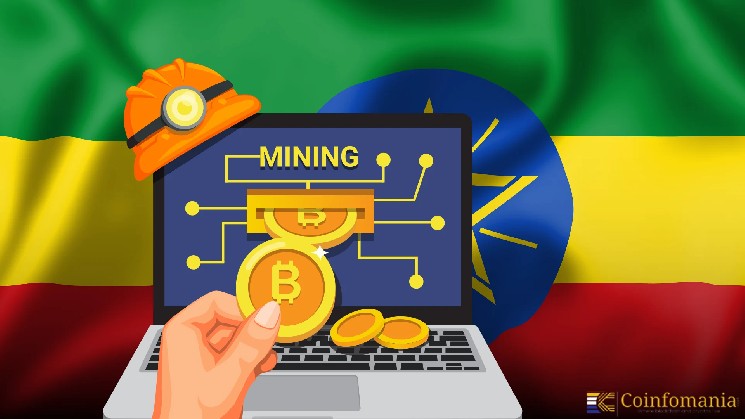
Ethiopia is turning its surplus hydropower into a concrete source of revenue through Bitcoin mining. The country generates more electricity than its grid can handle. This is especially true for the Grand Ethiopian Renaissance Dam. Instead of letting up to 11 percent of that capacity sit idle, Ethiopian Electric Power is selling this excess energy to Bitcoin miners. The price is roughly three to four cents per kilowatt-hour. Over the past ten months, this approach has brought in around fifty-five million dollars in foreign currency. Clearly, monetizing stranded power is doing more than just filling government coffers.
Bitcoin Mining Revenue Supports Ethiopian Economy
Revenue from these arrangements has a tangible impact on the economy. Miners pay in US dollars. This speeds up the government’s push for universal electrification. Meanwhile, international mining companies are setting up shop locally. They create jobs and teach technical skills. Most of these opportunities pop up around Addis Ababa. They also spread to nearby rural areas. The combination of Hydropower Mining and Bitcoin Revenue is clearly supporting both economic and social objectives.
Energy Supply Concerns in Growing Bitcoin Mining Demand
Of course, there are concerns. Directing a significant portion of EEP’s output to mining could strain the domestic electricity supply. Estimates suggest crypto mining might consume up to eight terawatt-hours this year. Authorities have temporarily paused new mining permits once capacity thresholds are hit. Environmental analysts warn that mining’s energy demands should not compete with residential and industrial users. It’s a delicate balance. Maintaining it will be key to sustaining both Energy Surplus and local development.



