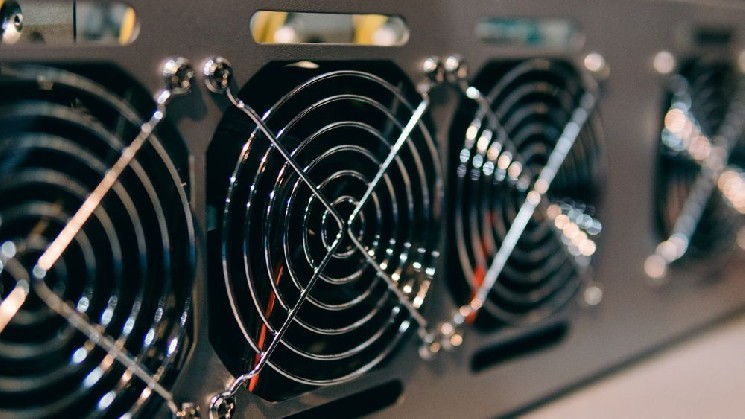
Bitmain has long dominated the market for specialized cryptocurrency mining hardware. That dominance has been threatened by growing U.S. scrutiny of Chinese tech firms and supply disruptions triggered by escalating trade tensions and tariff threats.
Opening a U.S. plant could speed up deliveries and repairs for customers in the country, Gao said, adding that while labor costs are higher, the move still makes commercial sense.
Heightened scrutiny from U.S. Customs and Border Protection has delayed mining equipment shipments, and the U.S. Commerce Department has blacklisted Sophgo, an artificial intelligence firm linked to Bitmain, accusing it of “acting at the behest of Beijing to further the PRC’s goals of indigenous advanced chip production,” referring to the People's Republic of China.
Bitcoin mining was historically dominant in China given the low energy costs miners could leverage in the country. After the practice was banned there in 2021, the U.S. became a prominent crypto mining hub, with American crypto miners like MARA Holdings (MARA) and CleanSpark (CLSK) now being publicly traded.
Still, Bitmain’s U.S. move faces obstacles, including regulatory scrutiny and uncertainty over whether crypto hardware like ASIC miners will be subject to the same export rules as AI chips.
The company started a bitcoin mining farm in rural Texas back in 2019, taking advantage of low energy costs in the region. It's not clear if it still owns the site.

 coindesk.com