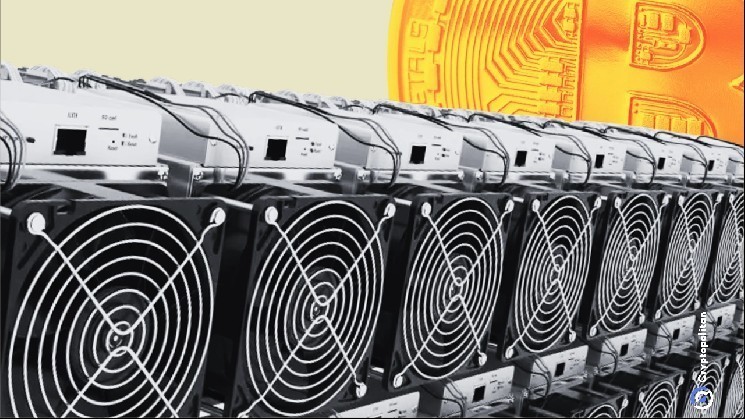
This warning follows joint efforts between the Ministry of Interior, the Ministry of Electricity, Water and Renewable Energy, the Communications and Information Technology Authority, the Public Authority for Industry, and Kuwait Municipality. These efforts are part of a coordinated national initiative to address these illegal practices and reduce their adverse effects on the country’s electrical infrastructure.
بـيـان
يمنع ممارسة نشاط تعدين العملات المشفرة داخل دولة الكويت pic.twitter.com/AiRwRn2D1V
— وزارة الداخلية (@Moi_kuw) April 22, 2025
The Ministry of Interior urged violators to promptly rectify their activities, emphasizing that failure to comply will result in necessary legal actions. Violators will be referred to the appropriate investigative authorities for further action in accordance with applicable laws.
Crypto trading and payments in Kuwait are also illegal
The Ministry of Finance does not recognize cryptocurrencies for purposes of official commercial transactions. Similarly, the Central Bank of Kuwait (CBK) prohibits the banking sector and companies under its control from trading in cryptocurrencies. The prohibition includes acceptance of cryptocurrency usage in e-payment transactions and mediation between the parties to cryptocurrency transactions.[523] The CBK has asked the Ministry of Commerce and Industry to warn consumers about the risks of cryptocurrencies such as Bitcoin.
Kuwait is one of the most affordable countries for crypto mining
In 2023, estimates dubbed the country the most affordable location to mine bitcoin ($BTC) worldwide. One roundup suggested the cost of mining in Kuwait was just $1,400 per $BTC in 2022 compared to more than $18,000 in Texas (bitcoin was worth more than $40,000 at the time).
Bitcoin mining consumes about 140,336 GWh annually, which is more than the yearly electricity consumption of countries like Ukraine or Malaysia, according to data collected by Best Brokers.

 cryptopolitan.com