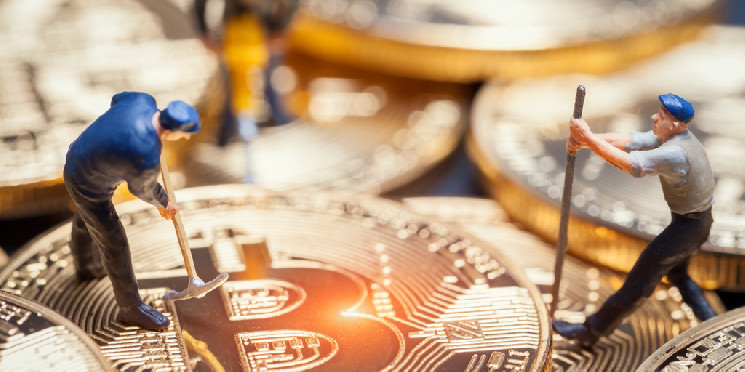
When blocks are processed, miners are given newly minted coins: a 3.125 $BTC fixed reward, along with the transaction fees paid by those using the network during that particular block window.
Back in the day, nearly anyone could take part in the mining process and mint new coins at home. But as the network has grown, mining difficulty has increased substantially. Now, mining operations are typically run out of warehouses by large companies—and consume a lot of electricity.
Bitcoin mining became a lot harder in April when the network underwent its quadrennial halving: an event baked into the network’s code which cuts miner rewards in half every four years.
Mining operations now have to work harder and receive less Bitcoin for their work. Before the halving event in April, miners received 6.25 Bitcoin for each block they processed. Before that, the reward stood at 12.5 Bitcoin; and before that, 25 $BTC. When the Bitcoin blockchain first launched in 2009, the mining subsidy stood at 50 Bitcoin.
While miners receive less Bitcoin every four years, they are able to manage their operations and stay in the game because the value of the cryptocurrency has boomed since the network’s inception. Since the first Bitcoin halving in 2012, the coin is up 548,604% to a current price around $67,650.
But solo miners do exist and occasionally—although rarely—they may sometimes get lucky and process a block by themselves. So far this year, solo miners have won big in April, July, August, and September ahead of Thursday’s individual haul.
Edited by Andrew Hayward

 decrypt.co