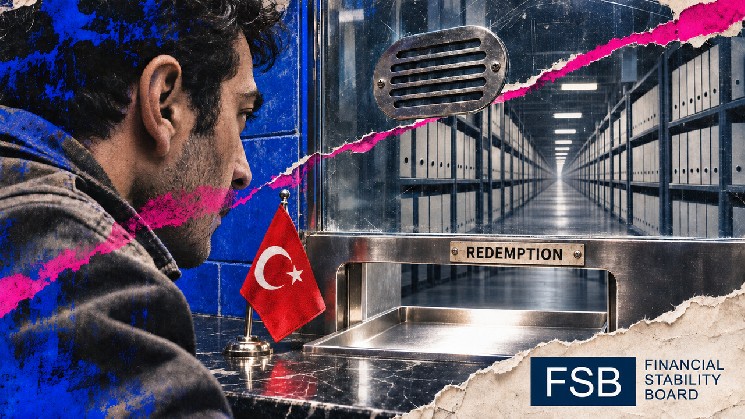
The assessment reflects information on reform progress through August 2026. Turkey has made progress on crypto-platform registration and licensing, custody separation and centralized monitoring, the FSB said.
Yet the assessment found no dedicated stablecoin issuance regime or tailored listing requirements covering stabilization mechanisms, reserve transparency, or peg history.
Existing rules cover distribution, trading and custody, alongside anti-money-laundering controls, limits on certain transfers and a prohibition on domestic crypto payments. Those controls do not fully address stablecoin-specific reserve and redemption arrangements.
report recommends that issuer rules cover effective mechanisms for maintaining stable value, prudential requirements, and clear redemption rights. For foreign-currency tokens circulating through Turkish platforms, the FSB wants targeted requirements for reserve composition and transparency, including attestations and audits.
It also calls for closer cooperation with issuers' home authorities and consideration of the regulatory and prudential rules applying overseas.
The review noted that reserve transparency, redemption practices and incident management can be difficult to assess when foreign issuers or supervisors do not provide information.
A gap for people holding stablecoins
The practical issue for holders is linking a local token purchase to its backing and redemption arrangements abroad.
Stronger oversight of a Turkish distributor could improve scrutiny of those arrangements, but the FSB's recommendations do not themselves give customers a new way to cash out.
According to the review, stablecoins serve as a store of value, a hedge against lira depreciation, and a way to move liquidity between domestic and offshore platforms.
The FSB also wants Turkey to clarify how payments and e-money legislation would apply to fully backed fiat-pegged stablecoins. Its assessment said policy direction and timing had not been set, and called for safeguards separating foreign-currency stablecoins from domestic payments.
Turkish authorities viewed domestic stablecoin exposures as modest in the review. The FSB warned that wider adoption could increase currency substitution and capital-flow volatility and put pressure on bank funding.
Its recommendations call for a coordinated regulatory framework that links issuer safeguards, local distribution, and cross-border supervision.

 cryptoslate.com