
 coindesk.com
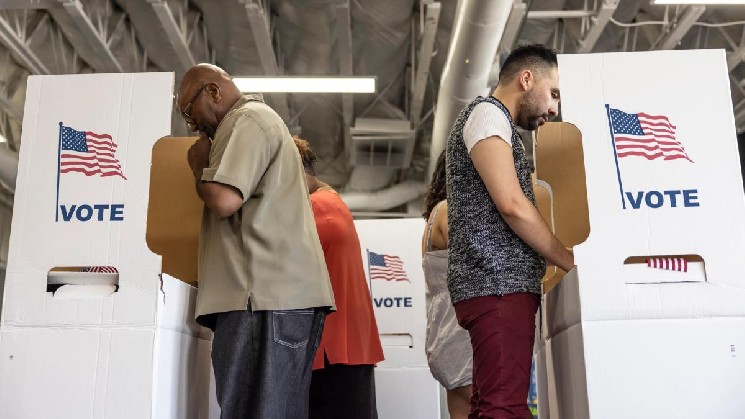
Tomorrow, Ohio votes in one of only three non-presidential races ever to top $500 million in advertising, and the second this cycle, behind Texas. Crypto’s super PACs alone have flooded $63 million into the Ohio race, aimed at one outcome: keep Sherrod Brown out of the Senate.
The Fairshake super PAC network accounts for $56 million; the other $7 million comes from the Winklevoss twins’ PAC, the Digital Freedom Fund. Fairshake’s spokesperson claims it “always will be an issue-focused organization. We back pro-crypto candidates who support American innovation in both parties.”
But Brown lost his seat in 2024. He hasn’t cast a vote either for or against crypto the entire 119th Congress. Nevertheless, Fairshake announced its largest funding commitment to block Brown just days after Senate Democrats blocked the Clarity Act, a vote Brown took no part in.
After Brown’s defeat in 2024, Fairshake’s spokesman boasted: “Brown was a top opponent of cryptocurrency and thanks to our efforts, he will be leaving the Senate.” During the crypto industry’s nascent efforts at obtaining legislation, Brown chaired the Senate Banking Committee. He could have scheduled the House-passed FIT21 bill for a committee vote. He never did.
Brown’s record is fair game. But does his 2024 inaction combined with his total absence from Congress the last two years warrant the crypto super PAC’s largest congressional spend in 2026?
This was never about merit
If the industry’s political spend was actually based on the legislative record, the targets would be obvious. After the 2024 election, industry “luminaries” immediately celebrated how the crypto army had delivered a pro-crypto Congress. Republicans have controlled the House, the Senate, and the White House for the last two years.
The expectation from the unprecedented political spend was a Congress that would finally deliver a market structure bill and stop leaving the industry’s future to the political whims of whoever happened to chair the SEC or CFTC.
As we all know, the Clarity Act failed to overcome cloture.
Republicans will say Clarity needed 60 votes. They couldn’t do it alone without Democrats. That’s true enough. But so did the controversial Laken Riley Act, which requires the detention of certain noncitizens charged with crimes, including shoplifting, without a conviction. So did the HALT Fentanyl Act and the 21st Century ROAD to Housing Act. All overcame cloture; all became law.
Different bills require different coalitions. But controlling the majority (along with the calendar, the agenda, and the committee assignments) means taking responsibility for negotiating one.



