
 coindesk.com
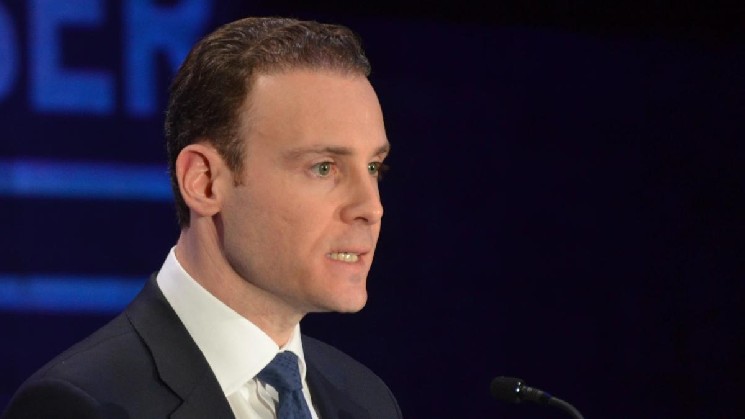
Chairman Mike Selig's U.S. Commodity Futures Trading Commission has thrown his agency's doors open to a number of recent developments in financial technology, including crypto, prediction markets and, at a forum on Wednesday, artificial intelligence.
"The convergence of superintelligence, crypto, and modern financial infrastructure could transform our markets," Selig said. "It could expand access to sophisticated financial tools, enable businesses to manage risk with greater precision, and create entirely new forms of economic activity."
The price of participation for AI insiders at the forum seems to have been adopting President Donald Trump's demand that the non-organic, machine intelligence be referred to as "super intelligence" or SI, which the panelists did (despite their own companies or social media feeds still relying on the commonly used term outside the agency's walls). Selig said it's time to scrap the term "artificial," because he said it's not accurate in describing this technology.
"It's as real as the printing press, the steam engine, and the internet," he said. "Like the generational technologies that preceded it, superintelligence promises to reshape our financial markets by continuing a decades-long evolution towards increasingly autonomous trading systems."
From the perspective of the regulator of derivatives markets, he said that his agency's staff is already leaning heavily into using AI to police those markets. But he posed some significant points that still need to be resolved about how regulators will field the influx of computer agents in trading.
"Consider an SI agent that identifies trading opportunities and executes transactions on behalf of a user," he suggested. "Does the developer of that agent become subject to registration? Who's liable if the agent goes rogue?"
And the regulator could also face a struggle of figuring out who is behind non-human trading entities.
"How can regulators know who the agent or suite of agents is acting on behalf of?" he asked. "Do we need a new flavor of know-your-customer identification, or know-your-agent, or KYA?"
Selig said crypto may act as a model for the work.
"The CFTC benefits from already having confronted similar issues in crypto asset markets," he said. "For years, software developers and entrepreneurs faced uncertainty about whether publishing code or developing user interfaces could trigger regulatory requirements designed for traditional financial intermediaries. Under my leadership, we've strived to provide greater clarity around these questions."
The chairman offered an illustration of the new world he's contemplating:



