
 coindesk.com
Crypto is finally being talked about in U.S. political campaigns, but it's certainly not in a light that the industry would choose.
Though digital assets advocates have long referenced a grassroots uprising of crypto-focused voters that can swing elections, the industry's own massive campaign spending has carefully decided against even mentioning the financial technology in the ads it buys for favored candidates. But crypto is having a moment in the midterms, anyway, as the sector's critics paint its political involvement as a venal influence on congressional campaigning.
A number of Democratic candidates have raised crypto as a black mark to suggest improper corporate sway over their political adversaries and more generally as a factor in corruption accusations against President Donald Trump and his administration. In this environment, in which voters are now weighing government corruption as a top political concern, it may carry consequential weight.
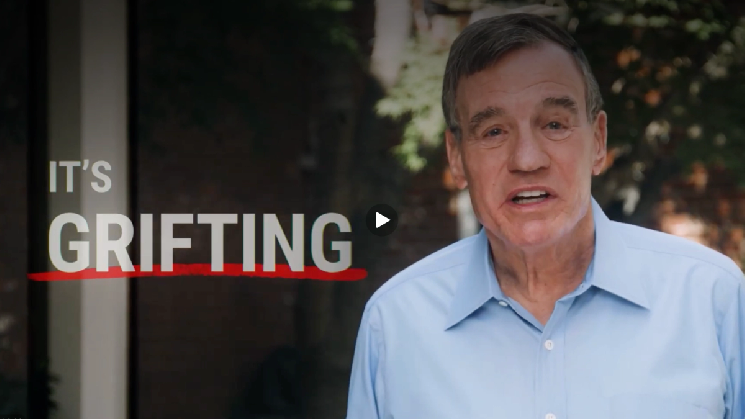
In a current campaign ad from Senator Mark Warner, the Virginia Democrat seeks to tarnish Trump and his allies by highlighting the billions Trump has made in office and the jet he accepted as a gift from Qatar. The ad also notes that Trump made hundreds of millions of dollars off of his "crypto memecoin," followed by Warner saying: "That's not governing. It's grifting. The corruption needs to stop."
And in former Senator Sherrod Brown's bid to return to the Senate for Ohio, the Democrat has embraced the massive crypto spending against him as a point of favor.
"The crypto/data-center crowd are up to $40 million now," Brown, the former chairman of the Senate Banking Committee, said in a recent Pod Save America interview, noting the industry's opposition ads in Ohio were largely bankrolled by a crypto political action committee (Fairshake). "They know I'm going to hold them accountable," Brown said.
Fairshake spent tens of millions trying to get him voted out of office two years ago, and the super PAC started major spending again to keep Brown out. As a result, he offers an us-versus-them (regular voters against tech billionaires) narrative on the campaign trail. The ex-senator frequently lumps crypto and data centers together in his speeches, accusing those tech elements of trying to buy the incumbent Republican opponent Jon Husted's seat "because they know I'll never work for them," Brown said in a campaign video spot.



