decrypt.co
In brief
- Departing SEC Commissioner Hester Peirce argued at SIFMA's Digital Assets Conference that zero-knowledge proofs and attribute-based credentials could verify facts like age or sanctions status without exposing personal data, replacing invasive KYC collection.
- She said the KYC/AML regime builds "ever bigger data haystacks" that make needles harder to find, and warned against "data maximalists" who assume more collection is always better.
- The pitch lands amid recent KYC leaks: Revolut exposing passports and Bitcoin histories, Trezor's vendor breaches—that heighten "wrench attack" fears.
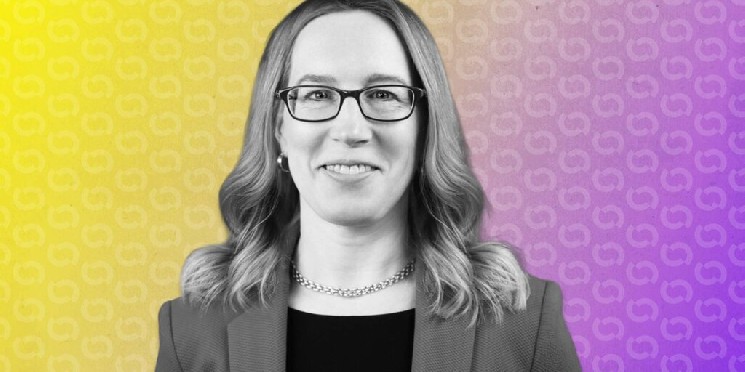
Departing SEC Commissioner Hester Peirce is making a case for using cryptography to overhaul how the financial system polices crime, arguing that regulators' hunger for personal data has built vast, hackable troves that endanger the very people they aim to protect.
Speaking Wednesday at SIFMA's Digital Assets Conference in New York, Peirce said the "know your customer" and anti-money laundering regime rests on a flawed premise: that collecting enough information on enough people will help authorities spot criminals hiding among the law-abiding.