
 coindesk.com
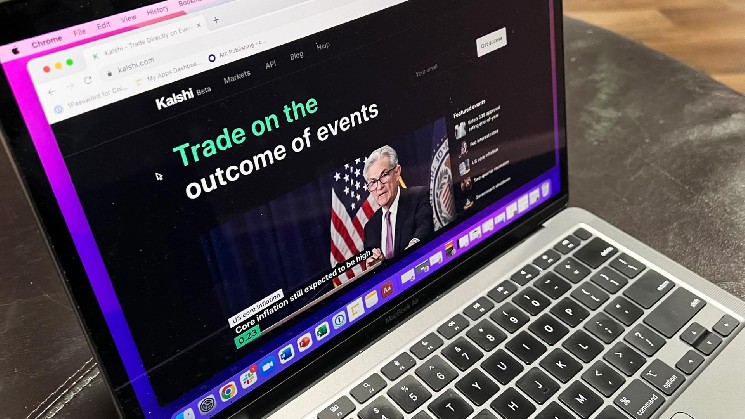
Kalshi customers in Washington state, Michigan and Nevada are currently out of luck, blocked from the prediction market platform as the industry's destiny is worked out in courts and on the federal regulatory stage.
A legal dustup in Washington state is the latest development of many state-level fights, but the industry is getting a robust defense from its federal regulator, the Commodity Futures Trading Commission, which is also simultaneously hatching a number of rule proposals to formally govern prediction markets in the U.S.
In Washington, a statewide ban of Kalshi emerged from a local court last week in a dispute in which authorities accused the company of operating an illegal gambling business there. So Kalshi sent an email to customers this week, beginning: "The Washington state government has blocked your right to trade freely on Kalshi."
Washington's take: “Kalshi has gotten rich promoting wagers on sports, elections, natural disasters, events related to the Iran War, and more. Under this order, Kalshi is banned from offering wagers on most of those topics in Washington,” according to state Attorney General Nick Brown.
But Kalshi is pursuing a new legal argument in the state, with the Thursday filing of a motion asking the court to reconsider its position in light of state authorities letting Crypto.com operate in the state under the same terms that were outlawed for Kalshi.
"The state has formally agreed not to attempt timely enforcement of Washington law in an identical context," Kalshi said in its latest motion, which argued that six days after the court ordered Kalshi's halt, the state said it wouldn't enforce the law against Crypto.com until appeals are resolved in a higher court. "The very event contracts that the state deemed intolerable from Kalshi are now freely available for Washington residents — with the blessing of the state — from Kalshi’s identically situated competitor."
While Washington's dispute continues, so do legal clashes in many other states, including Massachusetts, Minnesota, Ohio, Maryland, Utah, Arizona and New York. In some of those states, the industry could face consequential restrictions or punishments, most often targeting sports betting.
Connecticut regulators have gone back and forth with Kalshi in federal court this week as the state tries to apply its gambling laws to the business, and New York was also further disputing the CFTC's recent emergency action to keep Kalshi activity going there.






