coindesk.com
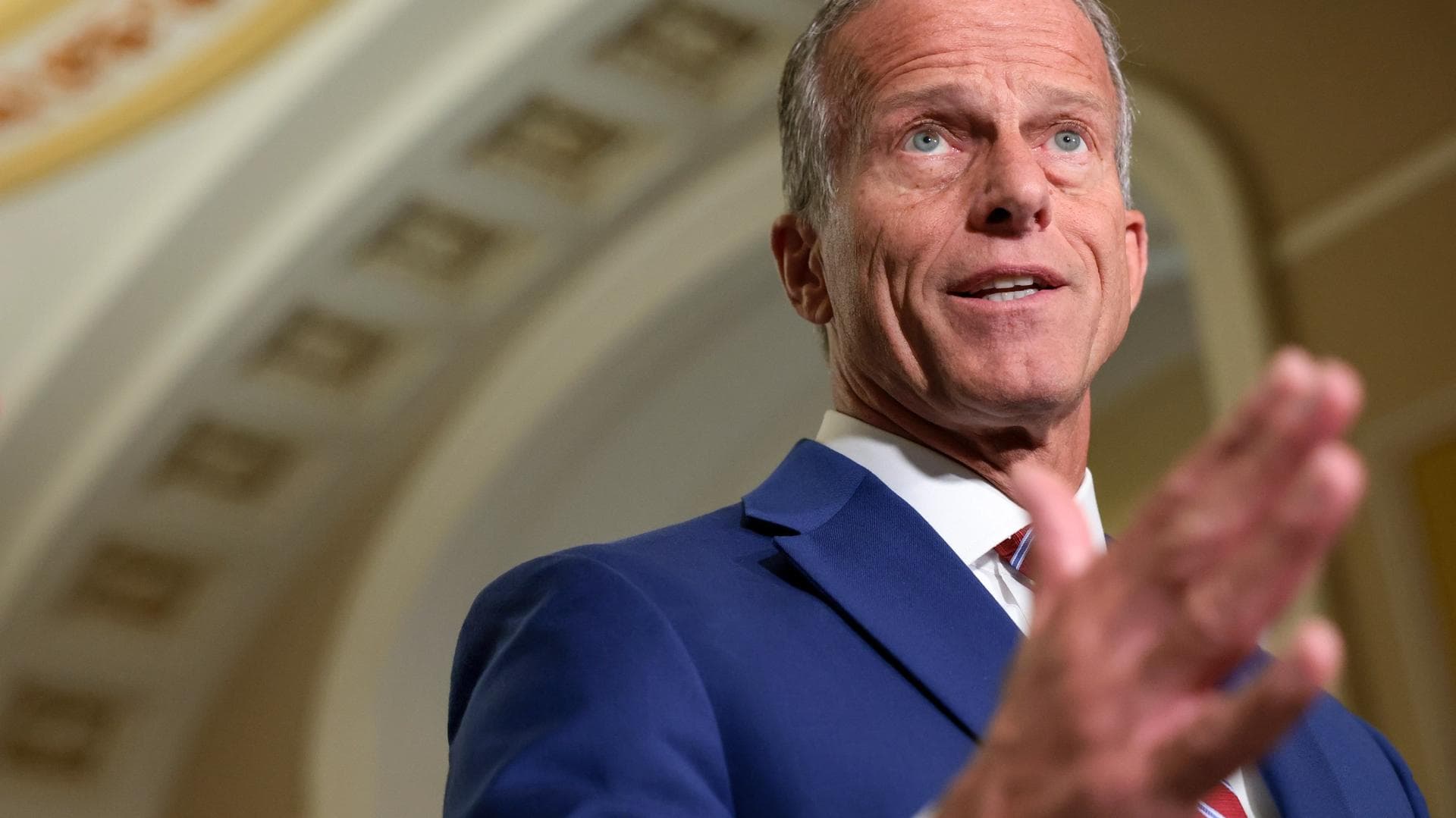
Senate Majority Leader John announced late last Thursday that the Senate would not hold even a procedural vote on the Digital Asset Market Clarity Act before the August recess, dimming the chances that the bill can become law this year. But the chances of a successful vote were already slim, and this delay at least gives lawmakers more time to sort out their outstanding issues.
You’re reading State of Crypto, a CoinDesk newsletter looking at the intersection of cryptocurrency and government. Click here to sign up for future editions.
Judgement deferred
The narrative
The Digital Asset Market Clarity Act will not make it through any Senate procedural votes in August. It's an open question whether it will make it through the Senate when lawmakers return in mid-September. But it seems clear that the bill would not have made much progress if a vote had been held.
Why it matters
While the crypto industry wanted a vote on the Clarity Act, it would probably be better for the industry if that vote were successful. If the bill had failed a cloture vote last week, it may well have just ended the process until the next Congress. And it is unclear whether the Senate would have voted to advance Clarity before the August recess, given ongoing concerns about President Donald Trump's crypto business ties, renewed debates about stablecoin yields and rewards and other outstanding issues being negotiated.
Breaking it down
There is a lot to unpack about the crypto industry's failed push to hold a vote on the Clarity Act this month. According to numerous legislative aides and industry sources, the sheer number of unresolved issues posed an almost insurmountable wall for even a successful procedural vote, and it became increasingly clear over the course of the week that it would be difficult to even hold that vote.
The biggest issue, as CoinDesk and other news outlets have reported for months now, is ethics. President Donald Trump's crypto business ties have alarmed Democrats for over a year, with lawmakers expressing concerns as far back as May 2025 during the negotiations on the Guiding and Establishing National Innovation for U.S. Stablecoins Act (GENIUS Act). Trump's reporting of $1.4 billion in profit provided a concrete representation of those concerns, with a source familiar describing it as the "kill shot" for negotiations on Friday.