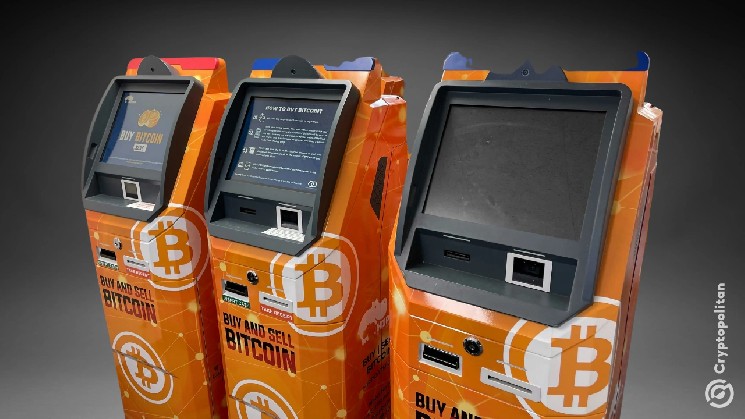
How the kiosk scams worked
The machines resembled bank ATMs, but they did something different. A customer entered cash, and the machine sent cryptocurrency to whatever wallet address was entered, which scammers exploited.
Fraudsters impersonated police, government agencies, and well-known businesses, according to the Department of Law. They coerced victims into feeding cash into a kiosk and routing the cryptocurrency to scammers’ wallets. It was nearly impossible to reverse the transfer once it had cleared.
Cori Mills, acting attorney general, described the technology as a double-edged sword. “Cryptocurrency is an emerging financial tool that opens up possibilities for Alaskan consumers, but as with all advancements, there are perils too,” Mills said. She described Bitcoin Depot’s kiosks as machines “used to take advantage of vulnerable Alaskans.”
More than once, the department said that real government agencies don’t ask for money through crypto kiosks. Residents should verify such a demand on their own before sending any money.
Tilton is sponsoring SB 249. She linked the bankruptcy notice to her call for tighter oversight. Her bill would require licensing, identity verification and other protections for crypto-kiosk operators in Alaska.
American regulators crack down on crypto ATMs
United States regulators and courts have cracked down on crypto ATMs amid a rise in fraud linked to the machines. Indiana, Tennessee and Minnesota banned them outright.
A federal judge on July 7 allowed Tennessee to continue enforcing its ban while operator CoinFlip challenges the law, Cryptopolitan reported. That coverage cited FBI complaint data saying that losses from crypto-ATM scams nationwide were $247 million in 2024, with older people among the most common victims.
Bitcoin Depot is caught in the middle of that pressure. The company operated more than 9,000 kiosks across North America and filed for Chapter 11 in May. Cryptopolitan reports that first-quarter 2026 revenue fell nearly 50% year over year.
Massachusetts’s attorney general sued the company in February. Texas — the state where local sheriffs seized company kiosks and victims last year lost about $56.8 million to crypto-kiosk fraud, more than any other state.
Interested Alaskans who think they qualify can track the process through the court-appointed restructuring administrator at the Bitcoin Depot bankruptcy claims website. The Department of Law advised anyone nervous about clicking an email link to type the address into a browser by hand.
Filing is not required. The department advised victims not to provide personal or financial information to anyone who offers help unless the victim has independently verified that person’s identity.

 cryptopolitan.com