
 bitcoinworld.co.in
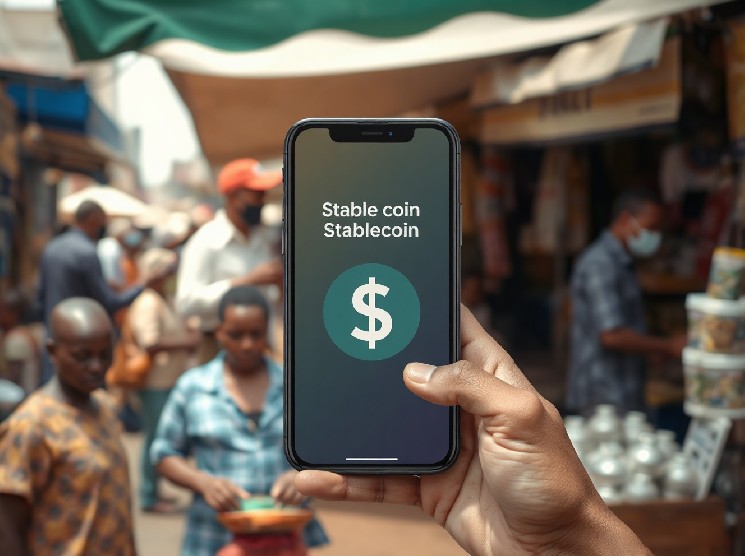
The International Monetary Fund (IMF) has raised concerns that Nigeria’s rapid adoption of dollar-pegged stablecoins is testing the limits of the country’s monetary and regulatory frameworks, according to a report by The Block. In its latest assessment, the IMF noted that Nigerian households and small businesses are increasingly turning to stablecoins for remittances and international payments, driven by a sharp decline in the local currency, the Naira, persistent high inflation, and limited access to foreign exchange.
Why Stablecoins Are Gaining Traction in Nigeria
Nigeria has one of the highest cryptocurrency adoption rates globally, with stablecoins—digital tokens pegged to the U.S. dollar—becoming a preferred tool for preserving value and conducting cross-border transactions. The IMF’s report highlights that this trend is not merely speculative but reflects a pragmatic response to economic pressures. Since 2023, the Naira has lost significant value against the dollar, eroding purchasing power and savings. Inflation, which has remained in double digits, further compounds the problem, making dollar-denominated assets attractive as a store of value.
The fund warned that widespread use of dollar-based stablecoins could weaken demand for the Naira, potentially undermining the effectiveness of monetary policy. If a significant portion of domestic transactions shifts to stablecoins, the central bank’s ability to control money supply, influence interest rates, and manage inflation could be severely constrained.



