coindesk.com

- The U.S. Securities and Exchange Commission's forthcoming "innovation exemption" for tokenization isn't expected to rate at the top of the agency's hierarchy of policy durability, despite the crypto sector's years-long wait to get U.S. rules set in stone.
- Former SEC lawyers say the agency's power to exempt activity from securities laws would still be difficult to reverse, though agency leaders have said this initial policy will be narrow and time-limited.
The U.S. Securities and Exchange Commission is preparing one of the most consequential of Chairman Paul Atkins' crypto policies, a new approach that grants some regulatory leeway to those seeking to tokenize securities, such as company stocks. But it's not yet what the crypto sector has asked for: permanent policy it can rely on, which still may be a long way off.
The SEC has an option to pursue formal tokenization rulemaking — the closest it can get to carving something in stone, with a process that involves multiple rounds of public comment and revisions that incorporate that feedback. But the agency instead signaled it's working on exercising its standing authority to exempt businesses from securities laws, planning to temporarily grant abilities to put assets onto blockchains as a proving ground to test potential financial innovations.
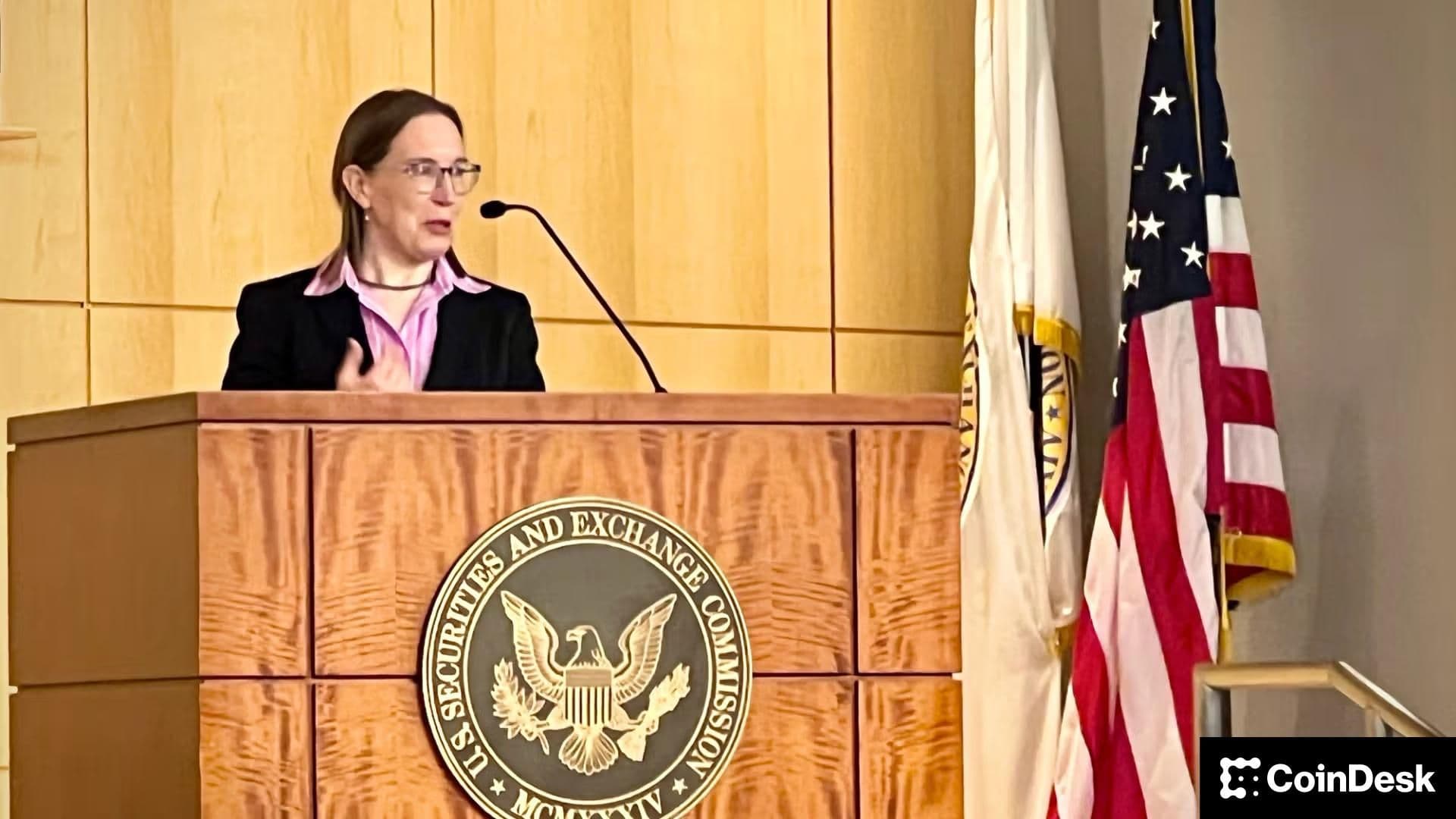
"It doesn't have to be done as a rulemaking," said SEC Commissioner Hester Peirce, who has led much of the agency's crypto work since the start of last year. In response to a question from CoinDesk, she said the SEC has exemptive authority that it routinely uses. "We can do it as a rule, but we don't have to do it as a rule."
In March, SEC Chairman Paul Atkins described the incoming policy as "an innovation exemption to facilitate limited trading of certain tokenized securities with an eye toward developing a long-term regulatory framework." He said it would be "limited in time and scope, but long enough so that we can craft more durable rules that harness the full potential of these new technologies."
More recently in May, he added: "I also think we should consider what a future-proofed framework may look like, which would take the form of notice-and-comment rulemaking and would address the 'exchange' definition as applied to onchain trading systems."
CoinDesk canvassed the views of several lawyers who are former officials at the SEC, asking questions about the choice to put off formal rulemaking, and whether the interim work on this will hold up. Most agreed that the approach may not carry the highest force of SEC authority, but it'd still be difficult to put the toothpaste back into the tube if the next administration sees things differently.
The agency may be weighing the difficulty the industry might have experienced while waiting for rulemaking and that granting temporary exemptions would be sturdy enough that they're not practical to overturn. Daugherty argued that a future commission would be hard-pressed to reverse policies "that would destroy the economic value created by the new products and services, once introduced and seasoned for a while."
Tokenization — the concept of turning traditional assets into tokens that can be transacted on blockchains — is where much of the crypto-world momentum is currently centered, and its advocates say it'll revolutionize trading by offering 24/7 activity, elimination of some intermediaries and instant completion of transactions.
As agency staff crafts its innovation exemption, which has been said to be poised for release for several months, the SEC has to work out its stance on tokens generated by third parties (without ties to the issuance of the underlying securities), how purchasers may be identified in secondary sales and generally how the tokens that are representing securities will carry shareholder voting abilities, dividend rights and security measures.
The aim of blockchain advocates is that this SEC policy push will give traditional financial firms and institutional investors the confidence to engage in earnest with the new products, opening the financial floodgates. For some, a pure agency action without backing from a new law, such as the Clarity Act, may not be enough.