
 coindesk.com
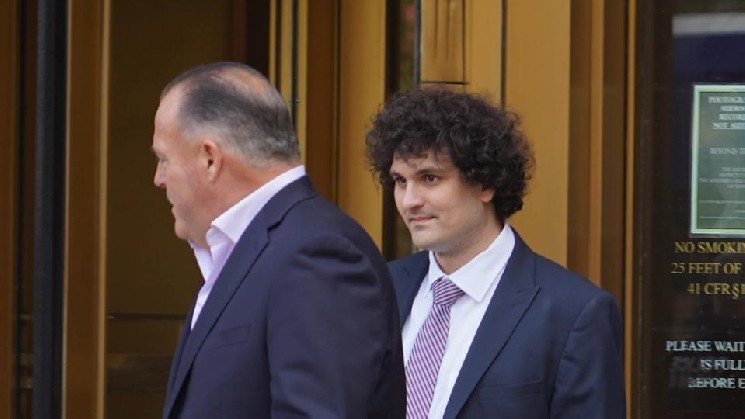
FTX founder and former CEO Sam Bankman-Fried lost his effort to overturn his conviction on fraud and conspiracy charges tied to the operation and collapse of his former crypto trading empire on Friday.
A Second Circuit Court of Appeals panel ruled that the onetime crypto executive's arguments that his trial was unfair were not persuasive, going through Bankman-Fried's contention that he was prevented from presenting all of his legal arguments and that he was blocked from arguing that FTX's investments would do well.
"Bankman-Fried makes these arguments in the face of a trial at which the government’s evidence against him was, conservatively stated, robust," the ruling said.
The panel ruled that Judge Lewis Kaplan, who oversaw the trial, did not make errors in how he handled objections or in his rulings about specific arguments and portions of evidence that the prosecution and defense wanted to introduce.
While the ruling made note of the "broad discretion" that district courts have in running trials throughout the filing, the panel of judges also said they agreed with his rulings and explained their view of Judge Kaplan's actions through the trial, in addition to taking on Bankman-Fried's actual arguments.
One argument Bankman-Fried advanced was that the funds he misappropriated were in investments that would eventually grow.
"As the district court recognized, any contention that Bankman-Fried lacked an intent to defraud because he intended to eventually repay his customers was legally misleading and prejudicial because the wire fraud statute encompasses temporary misappropriation of money or property," the ruling said.
The panel reiterated this argument later on: "Whether the assets purchased by Bankman-Fried appreciated in value is irrelevant as to whether he committed fraud," the ruling said.
Bankman-Fried's team tried to argue that FTX was a margin futures trading platform, and therefore customers should have expected that they might lose some access to their funds.
"We are unpersuaded," the ruling said. "The fact that some FTX customers opted into margin trading, and thus temporary deprivation of their money, is beside the point. Some opted into margin trading, some did not. No one opted into having their money transferred under false pretenses to Alameda."
The panel's ruling similarly supported Judge Kaplan's actions throughout the trial.
The ruling matches the reception Bankman-Fried's team saw from the panel of judges during the hearing last November, when the three-judge panel repeatedly interrupted and questioned attorney Alexandra Shapiro, who is representing Bankman-Fried.



