The specific harms cited in the filing are severe. The complaint links ChatGPT to a 2025 mass shooting at Florida State University that killed two people. It also connects the chatbot’s responses to multiple teen suicides, cases where families argue the AI provided harmful guidance that contributed to tragic outcomes.
The lawsuit doesn’t pursue criminal charges. Instead, it seeks court-ordered changes to how OpenAI operates, alongside financial penalties.
Uthmeier’s office didn’t arrive at this point overnight. An investigation launched in April 2026 examined OpenAI’s practices specifically regarding minors, building a factual foundation for the complaint. That probe followed a wave of private lawsuits filed by families starting in mid-2025, each alleging that ChatGPT’s outputs played a role in their children’s self-harm or death.
The broader legal landscape for AI
This is the first time a state attorney general has brought a civil action against OpenAI. That distinction matters enormously.
Private lawsuits from grieving families are one thing. They’re emotionally powerful but legally constrained, often struggling against Section 230 protections and the novelty of AI liability theories. A state AG bringing the weight of government enforcement is a fundamentally different animal.
The complaint’s framing is also worth noting. By characterizing this as a deceptive marketing case rather than a product liability case, Florida is using well-established consumer protection law as its vehicle. Deceptive trade practices statutes exist in every state, and they’re battle-tested in ways that novel AI liability theories are not.
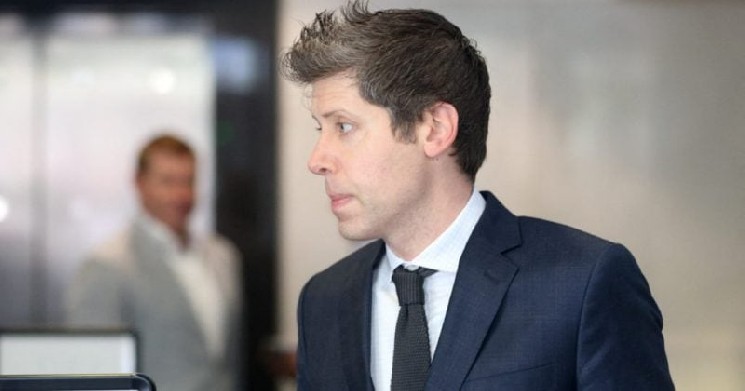
Naming Altman personally adds another dimension. Corporate officers rarely face personal liability for product-level harms. Florida is essentially arguing that Altman was personally involved in decisions to suppress safety concerns.

 cryptobriefing.com