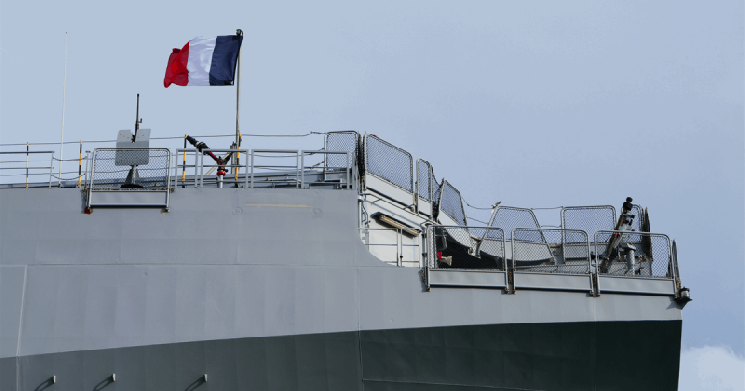
The French navy diverted the ship following the boarding. Specific details about the cargo volume, the vessel’s exact location at the time of interception, and its current status have not been publicly disclosed. France treated this as a law enforcement matter, not just a military exercise, given the judicial investigation now underway.
This is not France’s first rodeo with shadow fleet tankers. In March 2026, the French navy intercepted the Deyna in a similar operation. That episode ended with the ship’s release after a fine was paid.
The shadow fleet problem is getting harder to ignore
Russia’s shadow fleet refers to a sprawling collection of aging tankers, often operating with murky ownership structures, questionable insurance coverage, and flags of convenience from countries with minimal oversight. These vessels exist to keep Russian oil exports moving despite the price cap and sanctions regime that Western nations put in place starting in 2022.
France has been ramping up its naval enforcement posture since 2022, and the Tagor boarding fits into a broader pattern of increasing assertiveness. The coordinated nature of the operation, conducted with allied support, suggests this is part of a wider Western strategy to tighten the noose on sanctioned oil flows.
What this means for oil markets and crypto
For crypto markets specifically, the direct impact is essentially zero. No digital assets, blockchain-based trade finance platforms, or related tokens were implicated in the Tagor operation.
Investors watching the energy sector should pay close attention to whether the judicial investigation into the Tagor results in more than just a fine. If France pushes for cargo seizure or criminal charges against operators, it would represent a significant escalation from the Deyna precedent, where a fine settled the matter.

 cryptobriefing.com