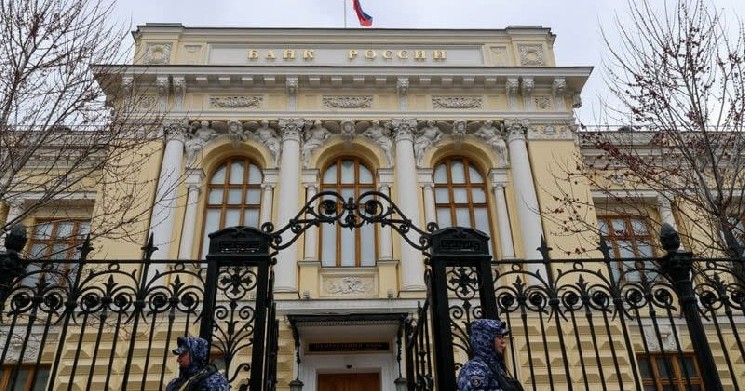
Regulation (EU) 2026/467, adopted on February 24, 2026, is the specific legal mechanism Russia is contesting. It authorizes the use of proceeds generated by those frozen reserves to finance the loan package covering 2026 and 2027.
The CBR’s argument rests on two pillars: sovereign immunity and international law. Russia contends that both the indefinite freeze and the redirecting of asset proceeds to Ukraine violate longstanding principles governing how nations treat each other’s central bank reserves.
Russia’s parallel legal strategy
Moscow isn’t just fighting in European courts. On May 15, a Moscow arbitration court ordered Euroclear to compensate the CBR with roughly 18.2 trillion rubles, approximately $250 billion, for damages related to the asset freeze.
That number is staggering, exceeding even the total value of frozen assets. It’s also, for practical purposes, unenforceable outside Russia. No Western jurisdiction is going to honor a Moscow court ruling that essentially demands a Belgian company hand over a quarter of a trillion dollars.
The ruling gives Russia a legal claim it can use as leverage in future negotiations. It also creates a framework for Russia to seize or restrict Western assets within its own jurisdiction, citing the Moscow court’s judgment as justification.
Why crypto investors should pay attention
No specific crypto tokens or blockchain projects are directly connected to these lawsuits. The EU has also been actively expanding its sanctions framework to cover crypto-asset service providers, specifically to prevent circumvention of the asset freeze. As the legal battles over frozen reserves intensify, expect regulators to tighten the screws further on how digital assets can be used in jurisdictions connected to sanctioned entities.

 cryptobriefing.com