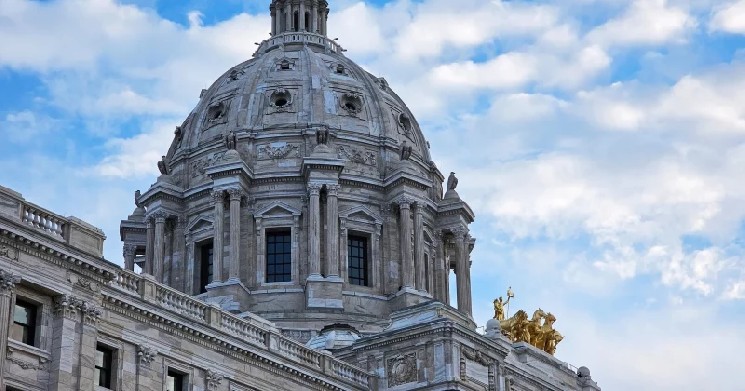
Creating or managing a prediction market platform in Minnesota is now a felony. The law also covers hosting, operating, and advertising prediction market gambling within the state’s borders.
Enforcement is set to begin in August, which gives platforms a narrow window to figure out whether they need to geoblock Minnesota users, restructure operations, or prepare for a legal fight.
The House adopted its own amendment reinforcing the ban, underscoring that this wasn’t a last-minute add-on that slipped through unnoticed.
Why Minnesota, and why now
The legislative push was reportedly fueled by concerns over potential conflicts of interest after reports surfaced that a lawmaker had allegedly placed bets on his own political race.
The CFTC allowed Kalshi to offer event contracts on elections after a protracted legal battle in 2024. Polymarket, which operates on the Polygon blockchain, processed billions in volume around the US presidential election last year while technically restricting American users.
Minnesota’s move is notable because it doesn’t just target unregulated crypto platforms. The statute is broad enough to encompass federally approved event contracts too.
Trump enters the ring
Former President Donald Trump has filed a lawsuit against Minnesota, asserting that the ban infringes on political speech and stifles access to information markets. The legal argument positions prediction markets not as gambling instruments but as tools for aggregating public sentiment and information, closer to polls than poker.
That framing matters. If prediction markets are speech, they get First Amendment protection. If they’re gambling, states have broad authority to regulate or ban them.
What this means for investors
Platforms like Kalshi, which fought hard to win federal approval, now face the bizarre prospect of being legal at the federal level and criminal at the state level.
The Trump lawsuit introduces a wildcard. If it succeeds in blocking enforcement, it could actually strengthen the legal footing for prediction markets nationwide by establishing that they enjoy some form of constitutional protection. If it fails, Minnesota becomes a blueprint.

 cryptobriefing.com