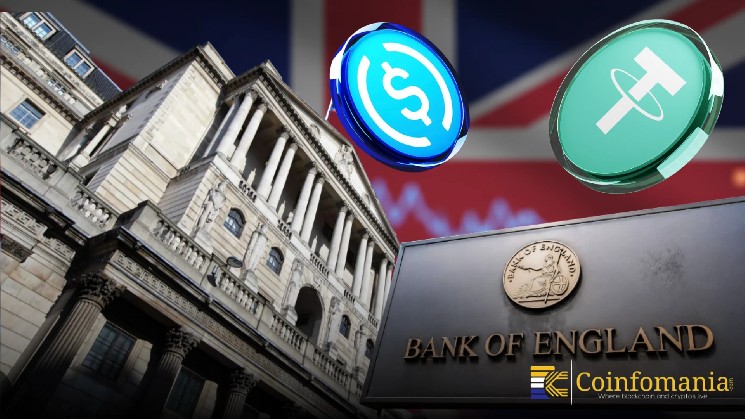
Bank of England to Publish Draft Rules for Systemic Stablecoins Next Month
The Bank of England plans to publish draft rules for systemic stablecoins next month and finalize them by year-end, while it may set temporary limits on total stablecoin issuance to mitigate early risks.… pic.twitter.com/94Kmbs9ac6
— Wu Blockchain (@WuBlockchain) May 20, 2026
Why The Bank Of England Wants Stablecoin Rules Now
The Bank of England believes stablecoins could soon play a bigger role in everyday payments. Consumers already use digital payment platforms more than cash in many situations. Regulators expect this trend to accelerate over the next decade. Stablecoins could offer faster settlements, lower transaction costs, and round-the-clock transfers.
However, officials also recognize the risks. Large-scale stablecoin adoption could affect financial stability if companies fail to maintain sufficient reserves. Sudden redemption pressure might disrupt payment systems or liquidity conditions. The Bank of England wants clear safeguards before stablecoins become deeply integrated into the economy.
This approach explains the urgency behind the new UK stablecoin regulation framework. Regulators want rules before systemic risks emerge. Officials also hope early action will prevent uncertainty for businesses and investors. Clear standards could encourage innovation while protecting consumers and the broader economy.
Temporary Stablecoin Limits Could Reduce Early Risks
The Bank of England may introduce temporary limits on stablecoin issuance during the early rollout phase. Officials believe cautious expansion could help regulators monitor risks more effectively. These measures would likely remain in place until authorities gain confidence in market stability.
This strategy mirrors approaches used in other financial reforms. Regulators often prefer phased implementation when introducing new frameworks. Stablecoins remain relatively new compared to traditional banking products. Authorities therefore want time to evaluate operational and liquidity risks.
The proposal could affect large stablecoin issuers that plan aggressive expansion in Britain. Companies may need to adjust growth strategies while the framework develops. Still, many industry participants may welcome regulatory clarity despite temporary restrictions.
What This Means For The Future Of Digital Money
The upcoming draft rules could become a turning point for Britain’s digital asset industry. Clear regulation may encourage wider adoption of regulated stablecoins across payments and financial services. Businesses often hesitate when legal frameworks remain uncertain. The new rules could reduce that uncertainty significantly.
The Bank of England’s broader vision also signals growing confidence in blockchain-based finance. Officials no longer discuss digital assets only as speculative instruments. They now view tokenization as infrastructure that could modernize financial markets.
The future UK financial system may include several interconnected forms of digital money. Consumers could eventually use tokenized deposits, stablecoins, and CBDCs within the same ecosystem. This model would represent a major shift from traditional payment structures.

 coinfomania.com