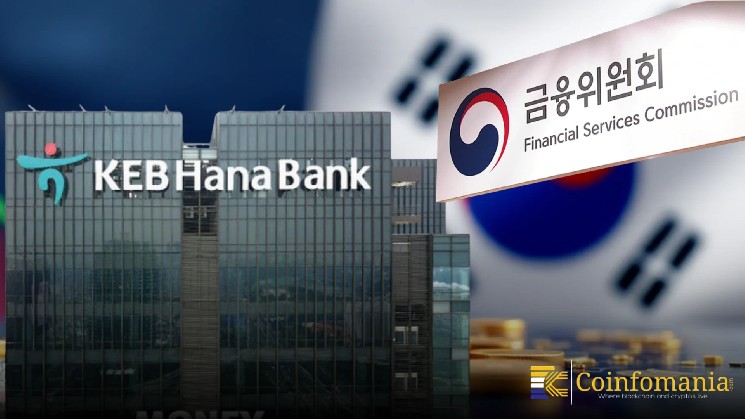
What the FSC Is Actually Reviewing
The finance-crypto separation principle has governed South Korea’s financial sector since 2017. Following emergency measures on virtual currencies, regulators prohibited institutional financial companies from holding, purchasing, acquiring collateral against, or making equity investments in virtual assets. The intent was to isolate risk between the traditional banking system and the volatile crypto market.
Hana Bank structured its investment as an acquisition of shares held by Kakao Investment. This is technically an indirect route rather than a direct Dunamu stake purchase. Regulators are not buying the distinction. An FSC official stated clearly that “even though Hana Bank chose to acquire a stake in Kakao Investment rather than directly acquiring a stake in Dunamu, we are examining it under the same standards as it is essentially an investment in Dunamu.”
That framing matters. It means structural workarounds will not shield the deal from regulatory review.
A Regulatory Gap With No Clear Timeline
Here is the complicating factor that makes Upbit news and this entire situation genuinely uncertain. The finance-crypto separation rules are not codified into law. They exist as administrative guidance — meaning they are enforceable but also more ambiguous than formal legislation. Financial authorities have been discussing incorporating these rules into a formal Digital Assets Framework Act for months. However, that legislation did not make the agenda at the Political Affairs Committee meeting on May 12. Full legislative review is unlikely before September’s regular National Assembly session at the earliest.
South Korea FSC officials acknowledge the gap. Both ruling and opposition parties have pledged to accelerate discussions after local elections. But personnel reshuffling following those elections could restart negotiations from scratch. Other financial institutions are watching carefully. Mirae Asset Group is pursuing a Korbit stake through a consulting subsidiary rather than its securities arm specifically to navigate these rules. Korea Investment and Securities is taking a similarly cautious approach to a potential Coinone investment alongside OKX.
What This Means for Investors and Developers
For Hana Bank and Dunamu investors, the FSC review introduces genuine deal completion risk. The transaction cannot be considered finalized until regulators issue a clear position. While the regulatory framework governing that position remains legally ambiguous until legislation passes. For South Korea news today followers and crypto market participants, the FSC’s stance signals something important. South Korea is not blocking crypto integration with traditional finance. It is insisting on doing it through proper regulatory channels. The Hana Bank deal may ultimately be approved. But it will set the precedent that every future bank-crypto partnership in South Korea must follow.

 coinfomania.com