
 cryptobriefing.com
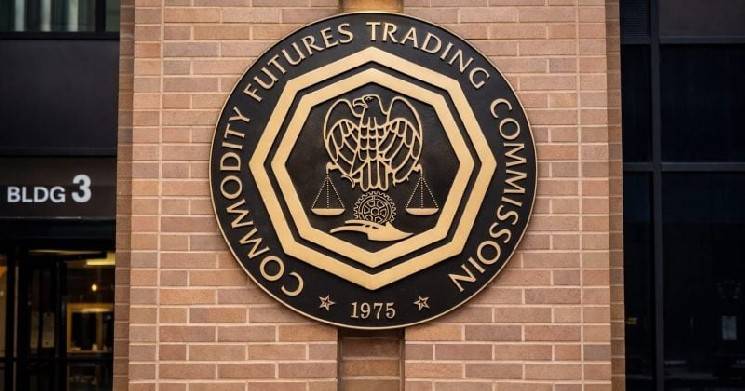
The Commodity Futures Trading Commission is no longer just watching prediction markets from the sidelines. Chairman Mike Selig confirmed on May 12 that the agency is in active discussions with every major professional sports league in the US, including the NFL and NBA, to build a coordinated framework for monitoring insider trading and market manipulation on prediction platforms.
The move follows a>
In March, Arizona’s attorney general filed 20 criminal counts against Kalshi, one of the most prominent regulated prediction market platforms, alleging illegal gambling under state law. Kalshi has been operating under CFTC approval. Arizona says that doesn’t matter under its state gambling statutes.
Why crypto should be paying attention
Prediction markets have become one of the most visible use cases for blockchain technology in mainstream culture. Polymarket, the decentralized platform built on Polygon that facilitates betting via USDC, generated massive attention during the 2024 US presidential election cycle.
Crypto commentators on social media platforms described the CFTC’s actions as potentially “HUGE” for legitimizing blockchain-based prediction markets. Federal recognition of prediction markets as commodity instruments, rather than gambling products, provides a legal framework that institutional players and mainstream consumers can actually engage with.
On the compliance side, decentralized platforms have thrived in part because they operate outside traditional regulatory perimeters. A CFTC that actively monitors prediction market activity in coordination with the NFL’s security apparatus will eventually ask pointed questions about KYC procedures, transaction monitoring, and market surveillance on crypto-native platforms.
The bigger jurisdictional fight
State gambling commissions have traditionally overseen anything that looks like wagering on sporting events. The CFTC is making the case that prediction market contracts, because they function as derivatives tied to future outcomes, fall under federal commodity law instead.
If the CFTC wins this argument, either through litigation or legislative action, states lose oversight authority, federal standards become the baseline, and platforms that comply with CFTC requirements get a single regulatory framework instead of navigating 50 different state regimes.
The Kalshi situation in Arizona shows that states aren’t going to cede ground quietly. Criminal charges against a federally regulated platform represent a serious escalation, and the outcome of that case will likely influence how aggressively other states challenge CFTC authority.
What this means for investors
Stricter compliance requirements could raise operating costs for prediction market platforms, particularly decentralized ones that would need to build or integrate surveillance infrastructure they were specifically designed to avoid. Smaller platforms may struggle to meet new standards, potentially concentrating market share among well-capitalized operators like Kalshi.
Centralized, CFTC-compliant platforms gain a regulatory moat. Decentralized platforms face a choice between adapting to federal standards or operating in an increasingly hostile legal environment, as the Arizona case against Kalshi demonstrates that even compliance-minded platforms aren’t immune to state-level action.