
 en.bitcoinsistemi.com
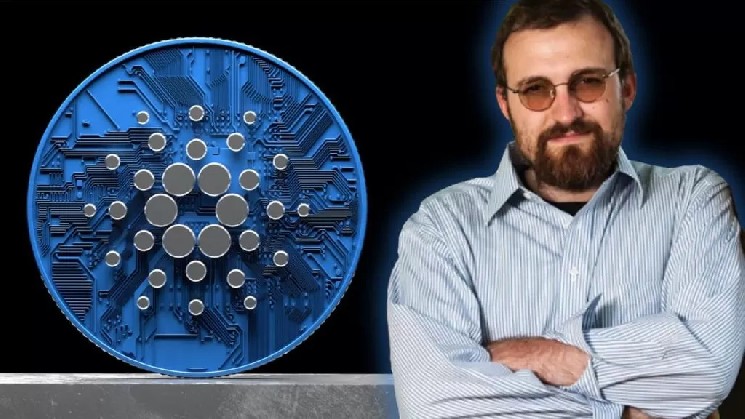
Charles Hoskinson, the founder of Cardano and Midnight, has sharply criticized the CLARITY Act, a controversial cryptocurrency regulation bill being debated in the US.
Hoskinson argued that implementing the law could take years, might not be resilient to political shifts, and could structurally disadvantage new crypto projects.
Updated versions of the CLARITY Act, currently under negotiation in the US Congress, have surfaced. While a compromise on stablecoin yields is reportedly close, disagreements persist on critical issues such as decentralized finance (DeFi) and the demands of the Democratic side. Therefore, the bill has not yet reached the stage where it can be put to a vote in the Senate.
Hoskinson stated that even if the law is passed, it would require a long and complex regulatory process, adding, “This process could take up to 15 years.” He also warned that laws could be “weaponized” depending on the political party in power. According to Hoskinson, a potential change of government, especially after 2029, could lead to the loopholes in the current text being exploited in different ways.
Hoskinson stated that the current regulatory environment was largely shaped after the collapse of FTX. According to Hoskinson, this event fundamentally changed the Democrats’ view of crypto. While there was previously bipartisan support, a tougher stance towards the crypto sector was adopted in the post-FTX period. Hoskinson argued that this also poses risks for politicians, as the political cost of appearing close to the sector has increased.
One of Hoskinson’s biggest criticisms was that the current approach categorizes new projects as securities by default. He argued that this makes it harder for startups to grow, suggesting that regulatory processes might be deliberately slowed down and that the SEC lacks sufficient incentive to remove projects from this status.
Hoskinson argues that this structure gives existing major crypto assets an advantage, stating, “Cardano, XRP, and Ethereum may perform well, but new projects cannot compete.” According to Hoskinson, this system creates heavy obligations for new projects, effectively similar to an initial public offering (IPO) process.
Hoskinson also criticized the fact that discussions in the sector largely focus on stablecoin returns. Arguing that this issue pales in comparison to the fundamental problems, Hoskinson stated that the regulation as a whole is overly complex and technically inadequately prepared. He also added that there was a lack of sufficient technical expertise in the legislative process.
According to Hoskinson, the crypto sector is increasingly becoming part of political polarization. He notes that the sector became a political battleground, particularly during the Donald Trump era, making bipartisan consensus more difficult. He adds that the Democrats’ negative rhetoric regarding crypto has further deepened this process.
Hoskinson also stated that US lawmakers have not adequately considered the global and decentralized nature of cryptocurrency. He warned that US regulations could become incompatible with global markets if they are not aligned with regulatory frameworks in Europe, the Middle East, and Asia.
*This is not investment advice.