The new proposal would direct some regulatory agencies to draft rules establishing how, exactly, issues like rewards might be overseen. Some have had concerns about regulators issuing subjective criteria for how permissible activity would be governed, noting that there may end up being different types of rewards programs. Any rulemaking would need to be neutral, they said.
And the language was also said to potentially restrict firms' ability to tie rewards to the scale of stablecoin transactions in an account, which could be an obstacle for a program akin to credit card rewards.
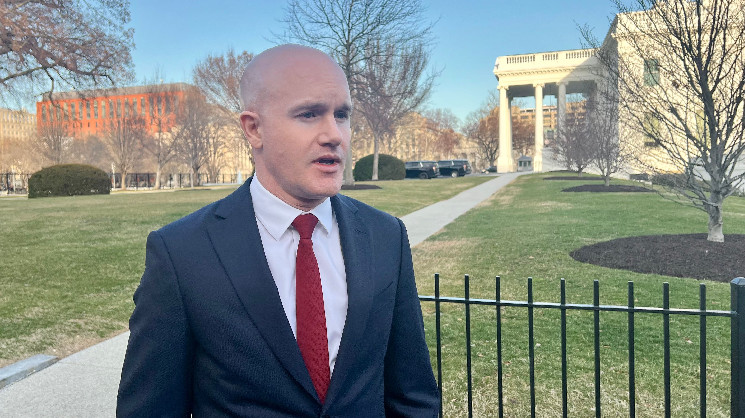
Through the months of negotiation, Coinbase CEO Brian Armstrong has been a leading voice, and his opposition of an earlier effort at stablecoin yield compromise helped derail a planned Senate hearing. A White House favorite in the crypto sphere, Armstrong leads the company that potentially has the most to lose from narrowing its stablecoin rewards programs.
On an industry call this week, people said Coinbase clashed with others over the bill, suggesting a fracturing of crypto views on how to proceed. Giving up certain stablecoin rewards could be costly for some, but losing the Clarity Act's full-fledged establishment of crypto within the U.S. financial system is — for others — seen as a bigger risk.
The updated text that is released — expected either late this week or early next week — will likely have been revised from the text shared Monday and Tuesday, though lawmakers are unlikely to want to rewrite too much of the long-debated text.
So far, the bankers haven't publicly shared their views on the proposal.
The crypto industry's potential concerns with the approach pitched this week, first reported by CoinDesk, already caused chaos in the market for leading U.S. stablecoin issuer Circle and Coinbase's stock. Circle stock dropped 20% on Tuesday, though it ticked up slightly on Wednesday. However, Tuesday's news from its chief rival, Tether, about submitting to an audit may have been another factor in the hit to Circle's shares, observers noted.
Despite negative responses to the Clarity Act revisions, Patrick Witt, the White House's crypto adviser, criticized the "uninformed" people making predictions about the Clarity Act's status."It’s all going to work out," he posted Wednesday on social media site X (formerly Twitter). "Bullish."
One of the people advocating taking a step back:
"Everyone should take a chill pill and stay off Twitter," the person said.

 coindesk.com