
 beincrypto.com
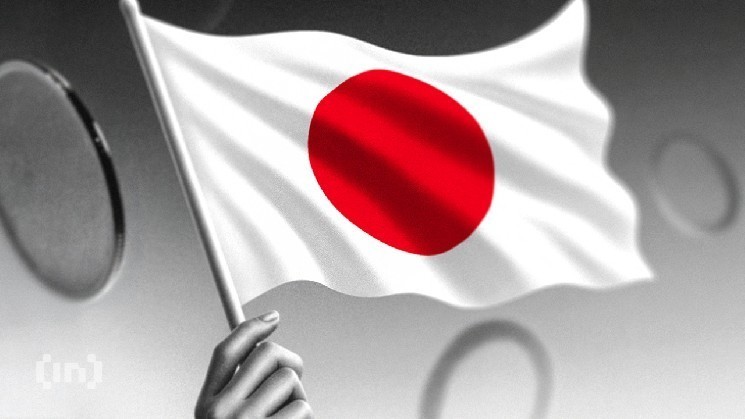
Japan’s Financial Services Agency will dramatically tighten penalties for unlicensed cryptocurrency sales, Nikkei reported on March 16. Maximum prison terms will more than triple, from 3 to 10 years, under the proposed revision.
The move marks Japan’s clearest signal yet that it will regulate crypto as a full-fledged financial product, not a payment tool.
Penalties Align With Securities-Grade Enforcement
Fines will also rise sharply, from ¥3 million ($20,000) to ¥10 million ($67,000), or to the combined penalty. The changes come as crypto oversight shifts from the Payment Services Act to the Financial Instruments and Exchange Act.
The migration places digital assets under the same legal framework governing stocks, bonds, and derivatives in Japan. Registered operators will be renamed from “crypto asset exchange providers” to “crypto asset trading firms.”
SESC Gets Criminal Investigation Powers
Enforcement is getting sharper teeth as well. Previously, the FSA could only issue warning letters to unregistered operators. The SESC was limited to seeking court injunctions against their business activities.
Under the new framework, the SESC will conduct criminal investigations into unlicensed crypto businesses. It will carry out on-site inspections, seize evidence, and refer cases for prosecution. These powers already exist for securities fraud and insider trading in traditional financial markets.
The expanded penalties will also cover unregistered operators of OTC crypto derivatives, not just spot trading.
SANAE TOKEN Fueled the Push
The crackdown follows the SANAE TOKEN scandal, which the Nikkei report explicitly cited as background. In February 2026, NoBorder DAO issued a Solana-based memecoin named after Prime Minister Sanae Takaichi.
The token surged over 30x before Takaichi publicly denied any involvement on March 2. Prices then collapsed by more than 58%, and the FSA launched an investigation into unregistered activity.
The FSA’s consumer help desk logged over 500 crypto-related complaints monthly in Q4 2025. Most involved social media scams promise guaranteed returns, with investors unable to withdraw funds.
Carrot With the Stick
The penalty hike does not stand alone. Japan’s ruling coalition included crypto-specific tax reform in its FY2026 outline. A flat 20% separate tax rate will replace the current progressive system, which currently reaches 55%.
The new tax regime takes effect the year after the FIEA amendment is enacted, potentially in January 2028. The message is clear: harsher punishment for scam operators, better incentives for compliant investors.
Asia’s Penalty Arms Race
Japan’s escalation mirrors regional trends. South Korea’s Virtual Asset User Protection Act allows indefinite imprisonment for market manipulation that yields over ₩5 billion in gains. Singapore’s securities law provides for up to 7 years’ imprisonment for unauthorized dealing.
Japan’s proposed 10-year maximum for unregistered sales ranks among the strictest globally for this offense. Tokyo is signaling that unregulated memecoin launches have no place in its vision of crypto as mainstream finance.
The post Japan to Triple Prison Terms for Unregistered Crypto Sales appeared first on BeInCrypto.