
 en.bitcoinsistemi.com
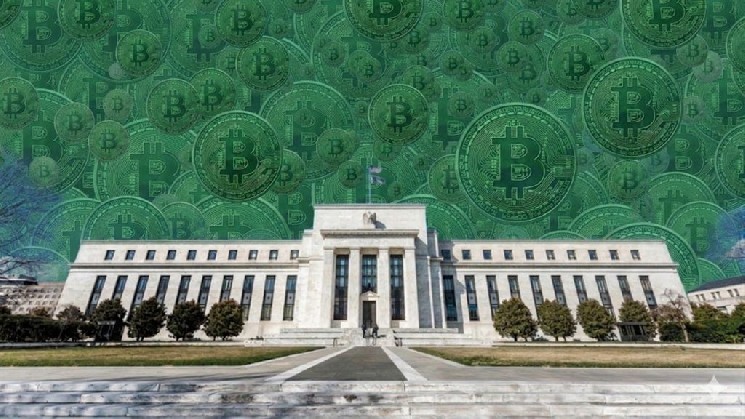
Banking organizations in the US have reacted strongly after the Federal Reserve approved Kraken’s “master account” status for the cryptocurrency exchange.
Industry representatives have warned that this decision could open the door for crypto institutions to access the central bank’s payment infrastructure without the regulatory protections applied to traditional banks.
The reactions come as the Fed continues to develop a broader policy framework for what it calls “skinny master accounts,” accounts with limited access. This structure allows financial institutions outside the traditional banking model to have limited access to central bank payment systems.
Hours after today’s announcement, major banking trade associations issued statements criticizing the decision. Paige Pidano Paridon, co-director of the Bank Policy Institute (BPI), said they were deeply concerned by the Kansas City Federal Reserve Bank’s approval of a “limited purpose” master account for Kraken.
Paridon stated that the decision was problematic because it was made before the FED Board of Governors had finalized its policy framework for such accounts, effectively bypassing the public consultation process. He also argued that there was insufficient transparency regarding the approval process and that it was not explained what measures were taken to mitigate potential risks to the payment system.
According to BPI, uninsured deposit institutions (such as special purpose deposit institutions (SPDIs) in Wyoming) pose higher systemic risks compared to traditional insured banks. This is because these institutions are subject to a more relaxed regulatory and supervisory framework.
Banking sector representatives also highlighted three key concerns. First, the decision allegedly violates the Fed’s policy of seeking public consultation before making significant changes to its payment system. Second, questions were raised about whether “skinny account” standards would be applied consistently across all regional Fed banks. Third, there was a lack of transparency regarding which controls are in place to mitigate potential risks, including anti-money laundering and financial crime (BSA/AML) risks.
*This is not investment advice.