
 decrypt.co
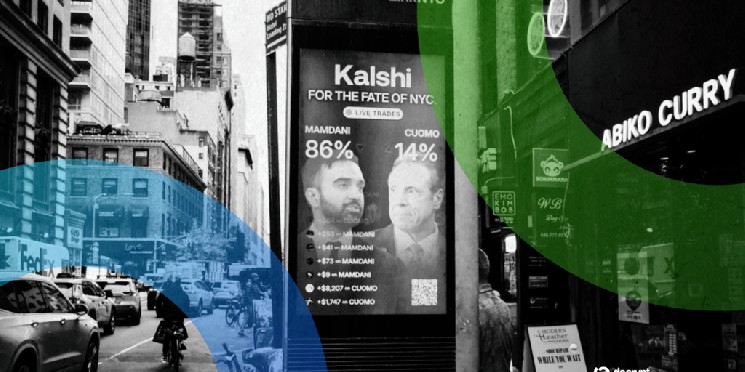
Federal appeals judges have rejected Kalshi’s emergency request to pause enforcement in its legal fight with Nevada regulators, a procedural setback that could allow the state to move swiftly to shut down the prediction-market operator’s activities.
The Ninth Circuit Court of Appeals on Tuesday denied Kalshi’s motion for an administrative stay, according to posts on X by sports-betting and gaming attorney Daniel Wallach.
The decision removes a temporary shield that would have blocked Nevada from pursuing civil enforcement while the court considers a broader request for relief.
It comes as U.S. regulators and state authorities are taking a harder line against prediction markets that allow users to wager on real-world events, testing the boundaries between federally regulated derivatives and state gambling laws.
With no stay in place, Nevada is now free to file a civil enforcement action in the state court as early as Tuesday evening, Wallach said, adding that a temporary restraining order is expected within days.
Such an order would likely force Kalshi to halt operations in the state while the dispute proceeds.
The case centers on whether Kalshi’s event-based contracts fall under federal commodities regulation, overseen by the Commodity Futures Trading Commission, or whether states retain authority to restrict the products as unlawful sports betting or gaming.
Kalshi has argued that federal law preempts state enforcement, pointing to its status as a CFTC-regulated exchange.
Nevada regulators have rejected that view, asserting jurisdiction over products offered to residents within the state.
Wallach said Kalshi’s next move could be an emergency application to the U.S. Supreme Court, potentially as soon as Tuesday evening.
The court’s emergency, or “shadow,” docket allows justices to issue short-term administrative stays to preserve the status quo while lower-court proceedings continue.
Such intervention is discretionary and typically reserved for cases where immediate enforcement would cause irreparable harm.
The Ninth Circuit’s denial does not resolve the underlying legal questions, but it shifts near-term leverage toward Nevada, increasing the likelihood of rapid enforcement absent of a Supreme Court action.